





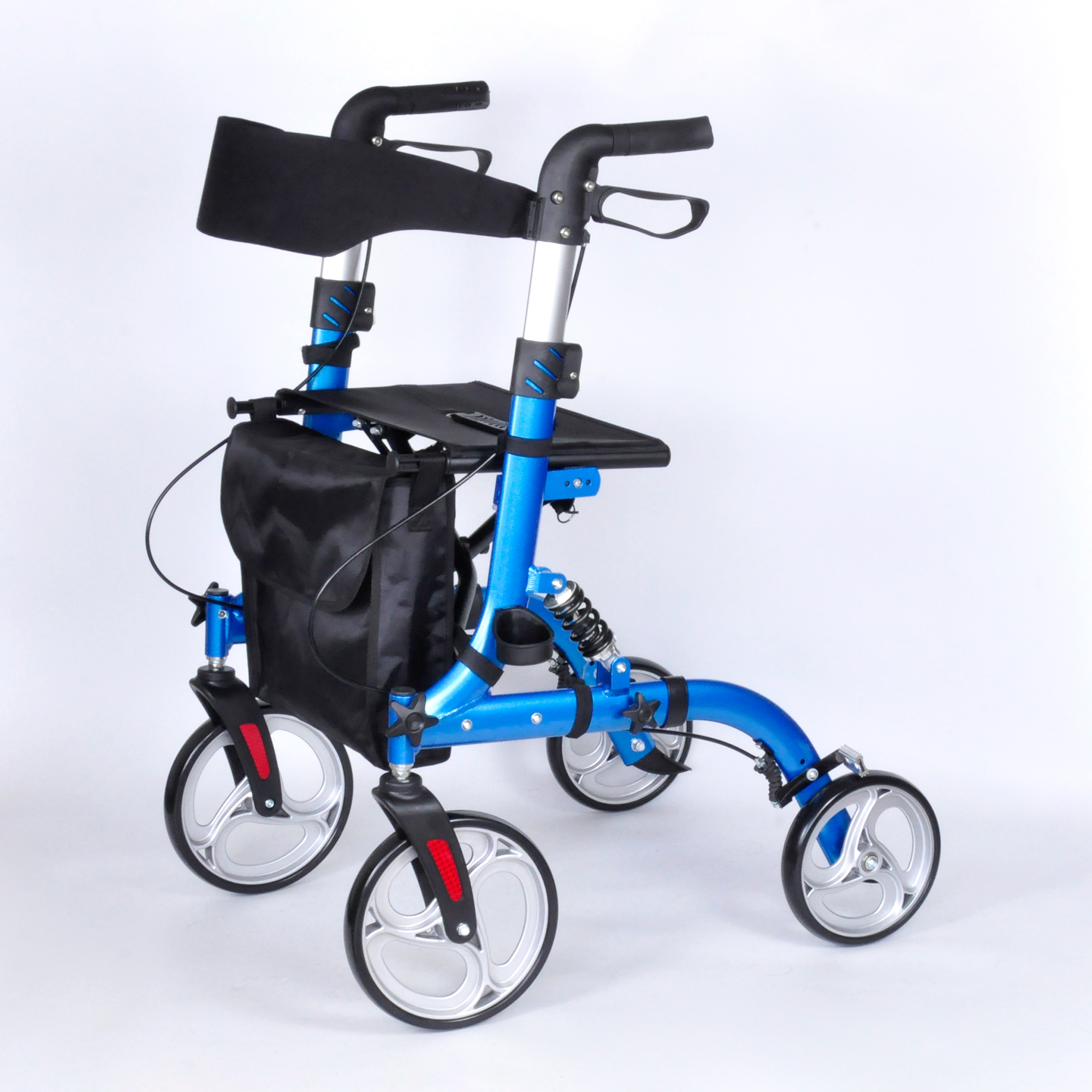
Compliance, Risk Reduction, and Measurable Outcomes with Healthcare Facility Rollator Programs
Proper healthcare facility rollator allocation isn’t just a clinical matter—it’s a compliance, risk, and performance management opportunity. Facility leaders must navigate regulations, reduce liability, and demonstrate quantifiable patient benefits with every device deployment. This article details how to structure a rollator program for measurable, sustainable success in modern healthcare environments.
1. Ensuring Regulatory Compliance at Every Step
Stay up to date with national and local requirements for mobility device safety, infection control, and patient care standards. Integrate these rules into every healthcare facility rollator policy, and keep audit trails for all assessments, assignments, and maintenance activities to simplify inspections and minimize compliance risks.
2. Risk Mitigation through Protocols and Education
Develop and enforce clear protocols for device selection, assignment, adjustment, and use. Provide ongoing education for clinical staff and patients to prevent misuse and injuries. Well-trained teams and robust documentation drive down incident rates and legal exposure.
3. Continuous Data Collection for Quality Assurance
Establish real-time tracking of falls, adverse events, and device-related complaints. Use this data to spot trends, trigger targeted interventions, and maintain a cycle of continuous improvement across all healthcare facility rollator programs.
4. Reporting Outcomes to Leadership and Stakeholders
Summarize compliance metrics, risk reduction results, and patient outcome improvements in regular reports to leadership, boards, and quality committees. Transparent reporting demonstrates value and builds support for ongoing program investment.
5. Scaling and Standardizing for Enterprise Success
Standardize best practices across all departments and satellite locations. Create scalable toolkits, digital documentation templates, and learning modules to ensure every facility benefits equally from program gains.
For more details, please visit: www.relaxsmithrollator.com