





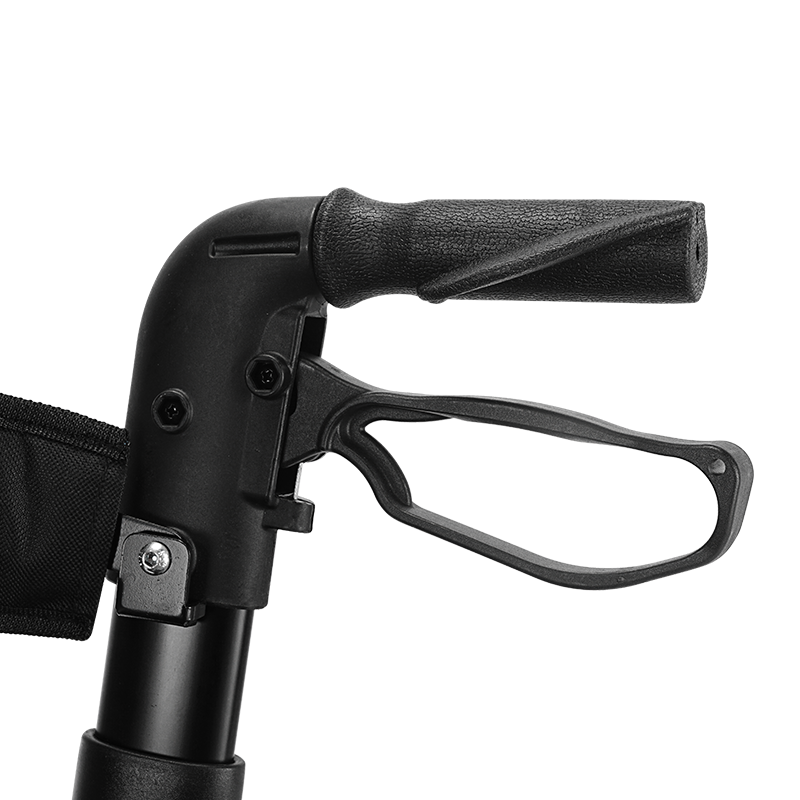
Improving Patient Outcomes Through Proper Rollator Allocation in Healthcare Facilities
Ensuring that every patient receives the right assistive mobility device is central to delivering quality healthcare. Healthcare facility rollator allocation, when performed with precision and ongoing oversight, significantly improves clinical outcomes, reduces fall risks, and boosts patient satisfaction. This article explores five key directions for optimizing rollator allocation, giving facility managers and procurement professionals actionable strategies to drive success.
1. Patient Assessment and Device Matching
Accurate assessment is the foundation of effective healthcare facility rollator allocation. Interdisciplinary teams should evaluate each patient’s mobility level, weight, balance, and environmental needs before assigning a rollator. Using standardized tools ensures objective, repeatable decision-making and aligns device features with patient safety.
2. Inventory Management and Device Tracking
Real-time inventory systems help managers track every healthcare facility rollator—its condition, location, and assignment. Barcode tracking or RFID systems streamline audits and maintenance scheduling, minimizing downtime and optimizing device availability for all patients in need.
3. Staff Training and Best Practice Protocols
All staff must understand the benefits, limitations, and adjustment options for each rollator model. Ongoing training and clear allocation protocols help ensure consistent, safe use across shifts and departments. Simulation-based training can reinforce correct fitting, maintenance, and troubleshooting, preventing misuse and increasing patient confidence.
4. Patient Engagement and Education
Effective healthcare facility rollator allocation includes patient education on safe operation, maintenance, and reporting any device issues. Empowering patients leads to greater compliance, fewer injuries, and faster rehabilitation. Distribute written guides and offer in-person demonstrations at key points of care.
5. Continuous Monitoring and Quality Improvement
Monitor patient outcomes—fall rates, mobility scores, satisfaction surveys—and use this data to refine allocation protocols. Collaborate with procurement to upgrade inventory as new rollator technologies emerge. Routine performance reviews ensure that the facility’s approach remains aligned with clinical best practices and patient needs.
For more details, please visit: www.relaxsmithrollator.com



