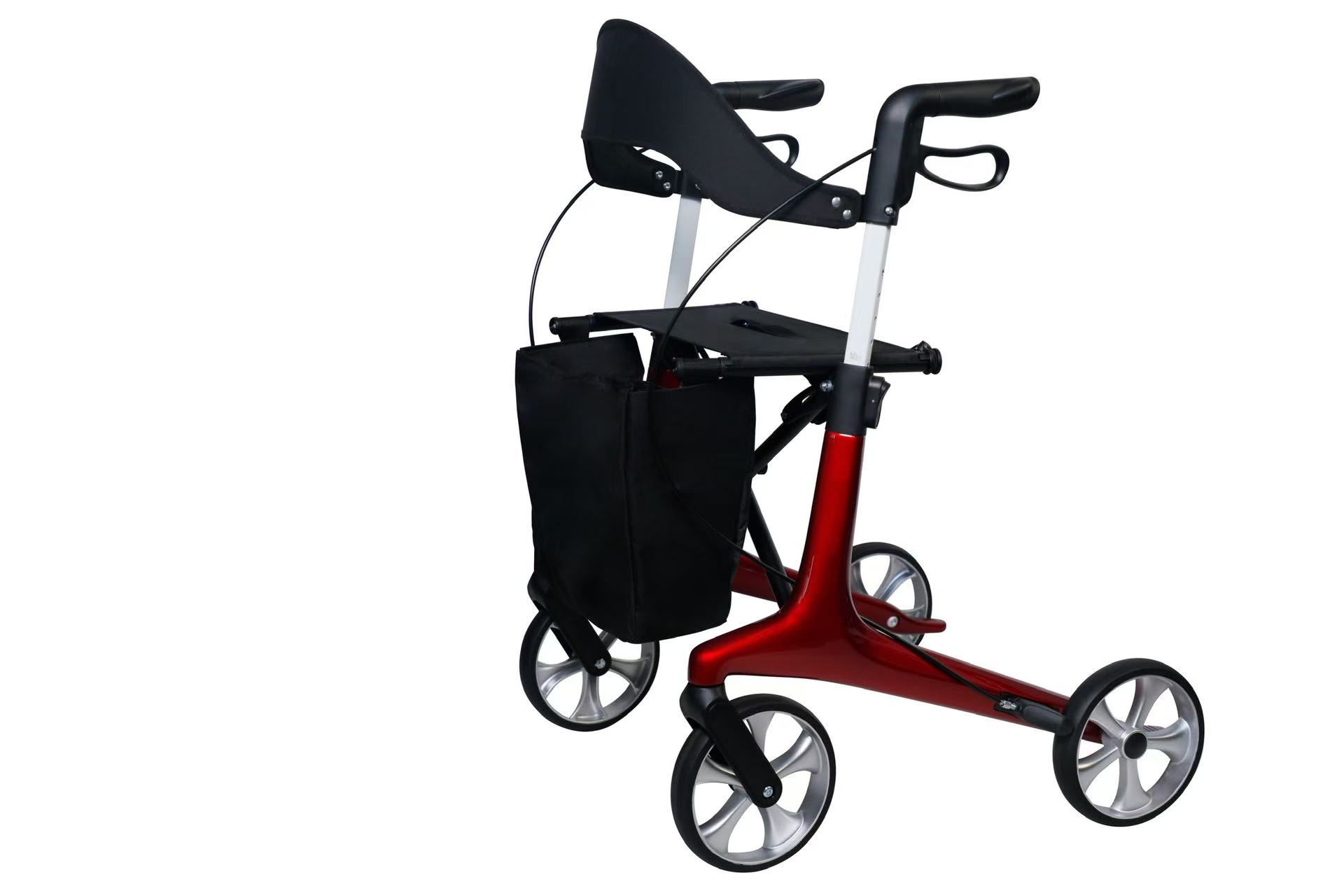
Calculating Economic and Patient-Centered Value of Flexible-Armrest Walkers
In the evolving landscape of clinical care, procurement teams must consider both economic efficiency and patient well-being when selecting mobility aids. Medical walkers with flexible armrests offer distinct advantages, but their true value can only be realized through structured calculation of both direct and indirect benefits. This article offers a practical framework to calculate and communicate the procurement benefits of medical walkers with flexible armrests in healthcare facilities.
1. Direct Cost Analysis
Start by documenting all direct costs: purchase, maintenance, repairs, and replacement cycles. Compare these costs for flexible-armrest walkers versus standard models, using real procurement and operational data from your facility.
2. Indirect Economic Benefits
Evaluate downstream cost savings from fewer patient falls, reduced staff injury claims, and lower readmission rates. Link these indirect benefits to specific features of flexible-armrest walkers and quantify with available clinical and financial data.
3. Patient-Centered Value
Measure improvements in patient comfort, engagement in rehabilitation, and satisfaction. Use patient-reported outcome measures (PROMs) and satisfaction surveys to capture the added value that flexible armrests provide.
4. Integration with Clinical Workflows
Analyze how flexible-armrest walkers fit into and improve existing clinical workflows. Time-motion studies and feedback from multidisciplinary teams support robust workflow value analysis.
5. Presenting a Balanced Business Case
Bring together economic and patient-centered data to present a holistic business case to procurement and clinical leadership. Visualizations, dashboards, and concise summary documents ensure benefits are clearly communicated and decisions are evidence-based.
Conclusion
Procurement of flexible-armrest walkers should be guided by a comprehensive evaluation of both financial and patient-centered value. When armed with structured frameworks and clear evidence, healthcare facilities can drive more meaningful, cost-effective investment decisions.
For more details, please visit: https://smartelderlycare.com/
Tags: Procurement Benefits of Medical Walkers with Flexible Armrests in Healthcare Facilities, Economic value, Patient-centered care, Direct cost, Indirect benefit, Patient engagement, Workflow integration, Business case, Cost analysis, Clinical decision-making
SEO Keywords: Procurement Benefits of Medical Walkers with Flexible Armrests in Healthcare Facilities, Flexible-armrest walker economic value, Medical walker cost analysis, Flexible walker indirect benefit, Patient-centered walker, Economic benefit calculation, Clinical workflow integration, Medical walker PROM, Healthcare procurement case, Flexible walker satisfaction, Patient engagement walker, Medical walker business case, Flexible walker financial evaluation, Procurement dashboard healthcare, Walker investment analysis, Flexible walker readmission, Medical walker repair cost, Flexible walker staff injury, Patient comfort walker, Procurement evidence-based, Healthcare leadership walker, Walker maintenance analysis, Flexible walker replacement cycle, Medical walker operational data, Walker satisfaction survey, Procurement outcome reporting, Flexible walker clinical decision, Business case presentation, Walker cost-effective investment, Clinical value walker, Flexible walker workflow analysis, Procurement multidisciplinary feedback, Flexible walker time-motion, Patient benefit evaluation, Medical walker economic impact, Procurement summary dashboard, Clinical procurement framework, Flexible walker financial decision, Healthcare facility investment, Walker direct cost, Flexible walker indirect cost