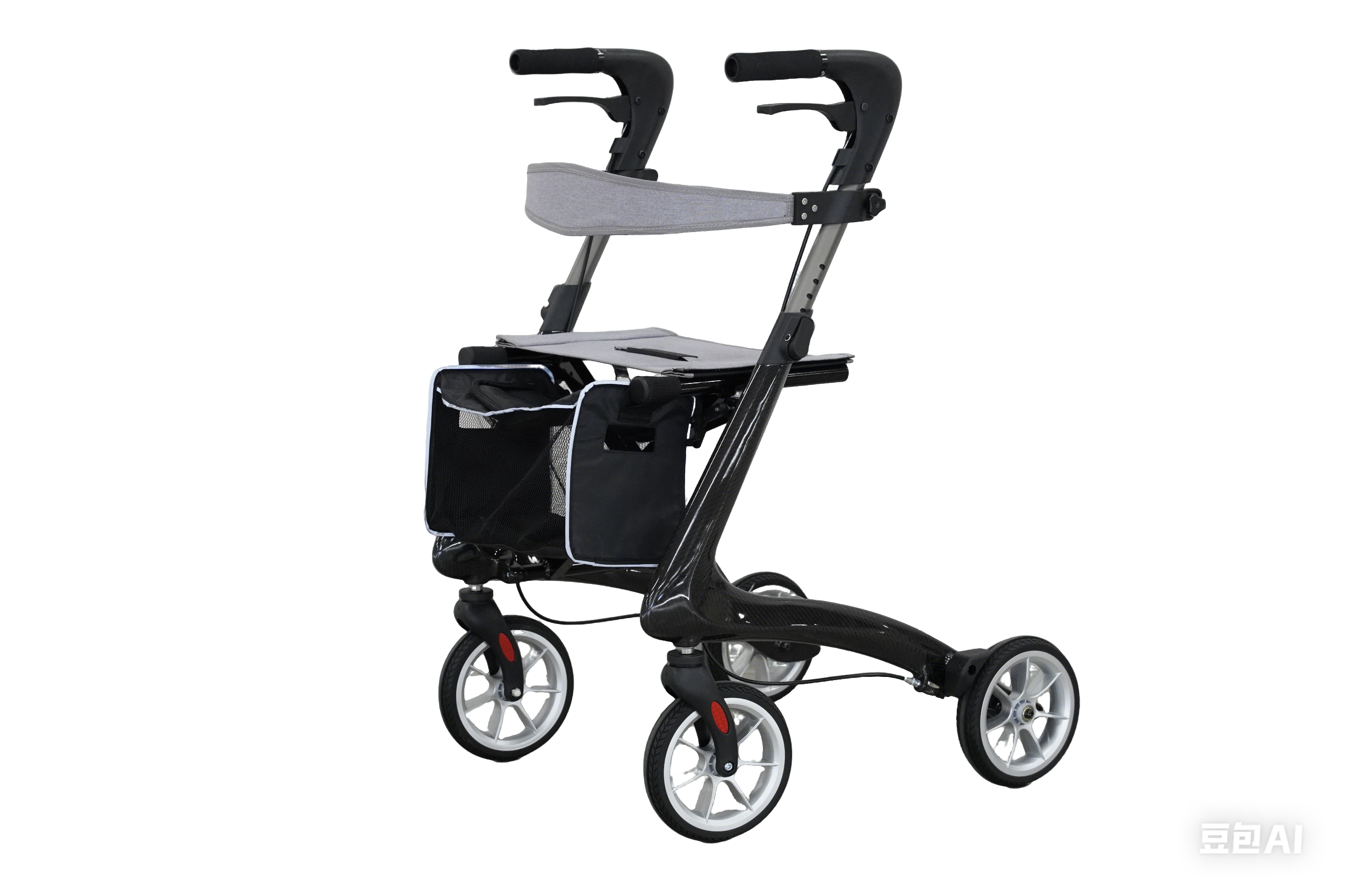
Measuring Clinical and Operational Improvements of Flexible-Armrest Walkers
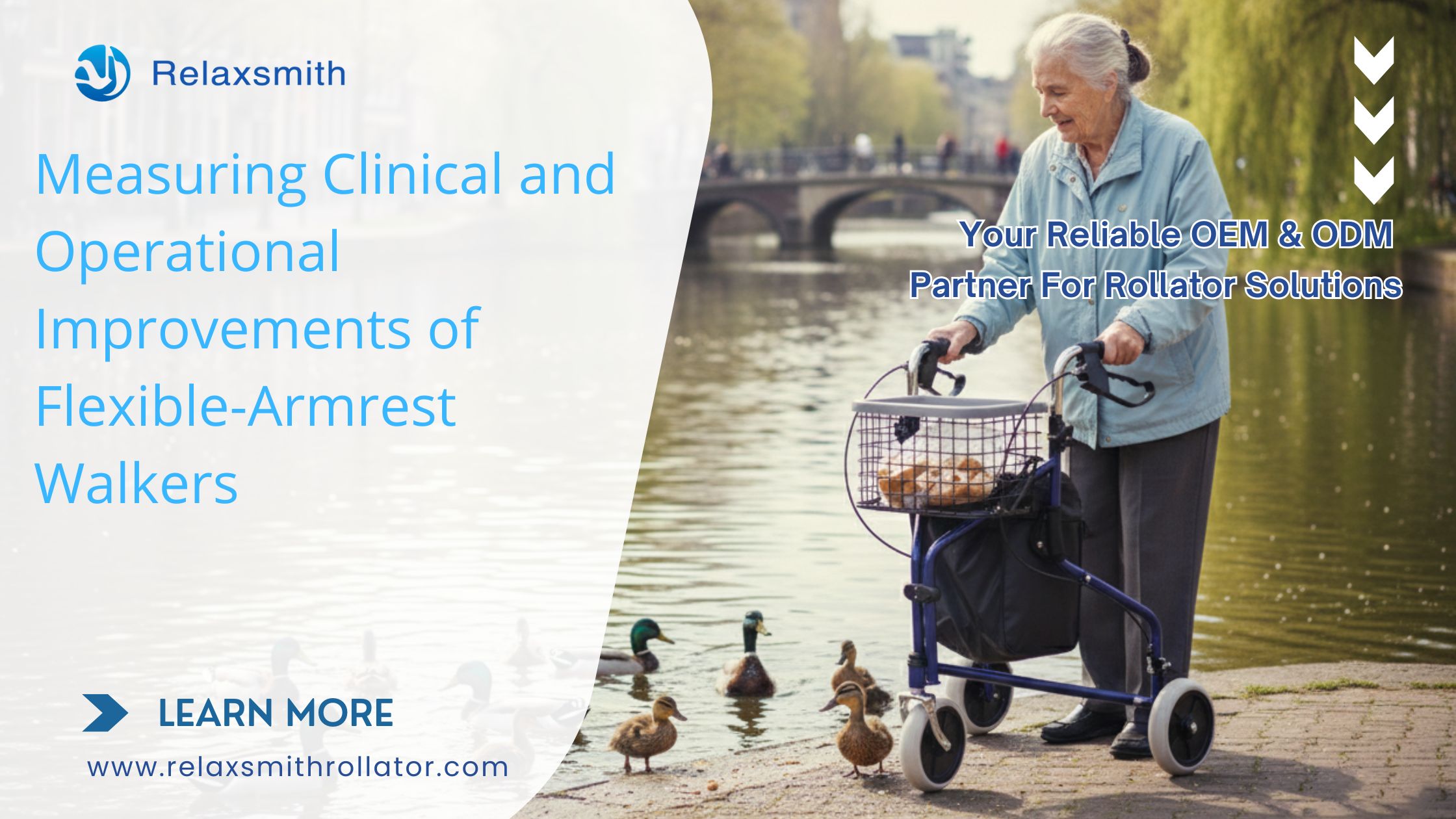
As healthcare facilities increasingly adopt medical walkers with flexible armrests, procurement teams must rigorously measure both clinical and operational improvements. The ability to present concrete, data-driven benefits is vital to building a strong business case and driving adoption. This article outlines practical strategies to quantify the procurement benefits of medical walkers with flexible armrests in healthcare facilities.
1. Tracking Patient Mobility Outcomes
Monitor improvements in patient mobility, such as walking distance, stability, and independence levels. Compare these outcomes for users of flexible-armrest walkers versus standard models, capturing both quantitative and qualitative feedback.
2. Evaluating Staff Workflow Efficiency
Measure the impact on nursing and therapy staff workflows: time saved during ambulation assistance, ease of repositioning, and reduction in physical strain. Staff satisfaction surveys and time-motion studies yield actionable operational data.
3. Documenting Safety and Incident Reduction
Collect data on fall rates, injury incidents, and safety intervention frequency before and after deploying flexible-armrest walkers. Improved patient safety directly supports the procurement benefits of medical walkers with flexible armrests in healthcare facilities.
4. Analyzing Rehabilitation and Discharge Metrics
Evaluate changes in rehabilitation duration and rates of timely discharge. Shorter, more effective rehabilitation periods generate significant cost savings and resource optimization for healthcare providers.
5. Building a Feedback-Driven Improvement Loop
Implement regular collection and review of patient and staff feedback to support continuous improvement. Ongoing input drives iterative enhancement and sustained value from flexible-armrest walker procurement.
Conclusion
Measuring clinical and operational improvements for flexible-armrest walkers requires a combination of patient, staff, and system-level metrics. Through data-driven analysis and regular feedback, procurement teams can maximize the value and impact of their investments.
For more details, please visit: https://smartelderlycare.com/
Tags: Procurement Benefits of Medical Walkers with Flexible Armrests in Healthcare Facilities, Patient mobility, Workflow efficiency, Safety outcomes, Rehabilitation metrics, Staff feedback, Data-driven procurement, Cost savings, Discharge optimization, Value measurement
SEO Keywords: Procurement Benefits of Medical Walkers with Flexible Armrests in Healthcare Facilities, Flexible-armrest walker workflow, Medical walker mobility, Flexible walker staff efficiency, Clinical improvement walker, Medical walker patient outcome, Healthcare procurement value, Flexible walker safety benefit, Staff satisfaction medical walker, Rehabilitation cost saving, Flexible-armrest walker discharge, Incident reduction walker, Healthcare workflow optimization, Flexible walker patient feedback, Medical walker operational data, Procurement measurement tool, Flexible walker staff survey, Value-driven procurement, Flexible walker adoption, Medical walker clinical outcome, Procurement business case, Flexible walker benefit quantification, Healthcare resource optimization, Patient independence walker, Flexible walker value measurement, Medical walker improvement loop, Cost-effective walker procurement, Flexible walker incident tracking, Data-driven walker evaluation, Procurement continuous feedback, Staff workflow walker, Procurement outcome analysis, Flexible walker time-motion, Medical walker discharge rate, Healthcare provider benefit, Walker procurement strategy, Flexible walker iterative improvement, Medical walker deployment, Patient safety walker, Flexible walker investment value