Collaborative Evaluation for Flexible-Armrest Walkers in Healthcare Facilities
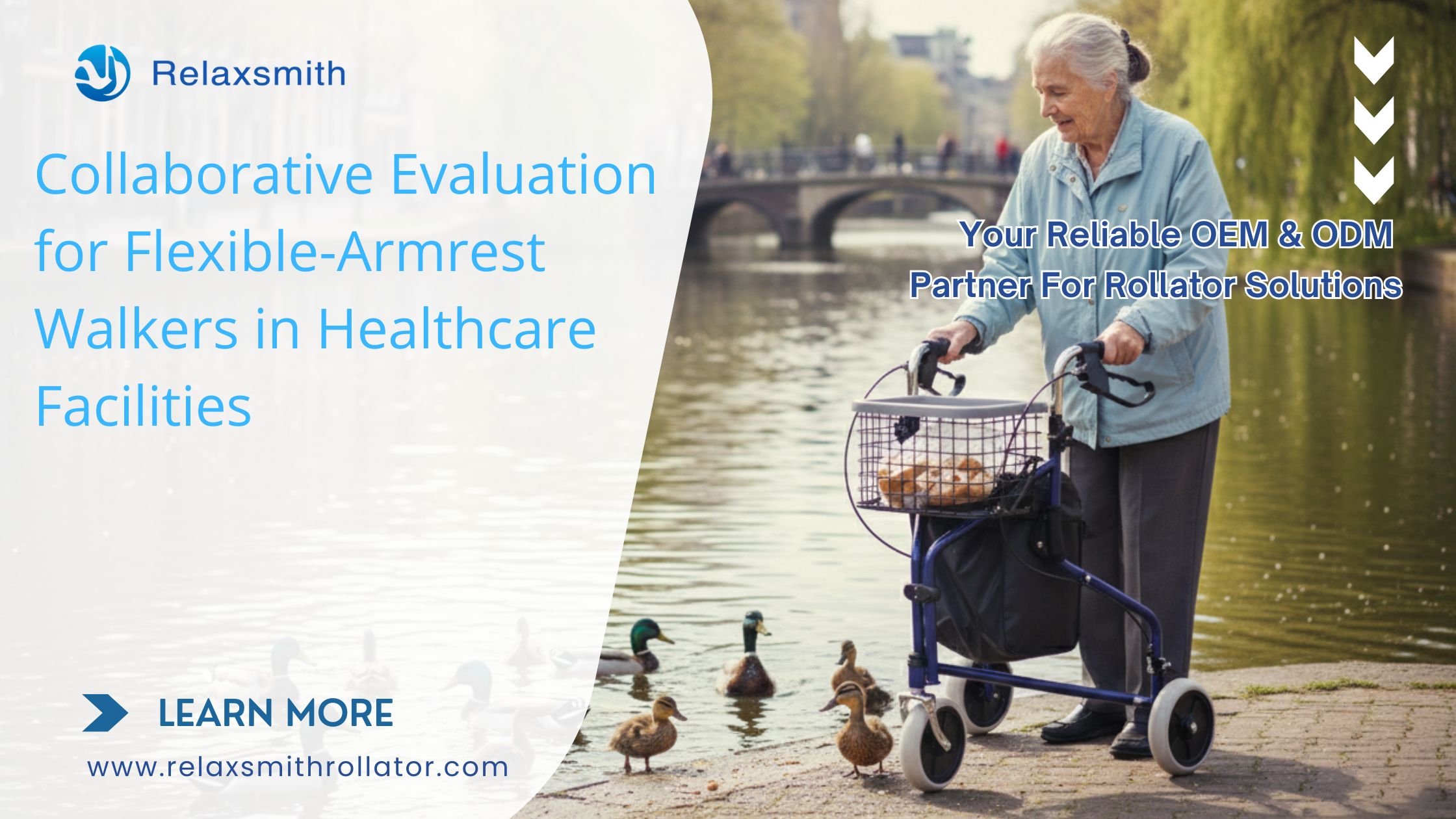
Evaluating the procurement benefits of medical walkers with flexible armrests requires active collaboration across clinical, financial, and operational teams in healthcare facilities. By leveraging the collective expertise of stakeholders, procurement teams can ensure that both patient outcomes and business objectives are achieved. This article presents best practices for collaborative, multi-disciplinary evaluation and value maximization.
1. Building a Cross-Functional Assessment Team
Form an assessment team that includes clinicians, therapists, procurement officers, finance leaders, and patient representatives. Diverse perspectives help identify a full range of benefits and challenges related to flexible-armrest walkers.
2. Aligning Evaluation Criteria with Organizational Goals
Collaboratively define and weight evaluation criteria—patient safety, comfort, workflow efficiency, cost, and long-term value—ensuring procurement benefits of medical walkers with flexible armrests in healthcare facilities align with strategic priorities.
3. Facilitating Stakeholder Feedback and Continuous Communication
Use regular meetings, digital feedback tools, and transparent reporting channels to share insights and adjust evaluation parameters in real time. Continuous engagement ensures all voices are heard and fosters consensus-based decisions.
4. Conducting Pilot Programs and Real-World Testing
Implement pilot trials with flexible-armrest walkers in real clinical settings. Collect and analyze quantitative and qualitative feedback from both staff and patients to inform large-scale purchasing decisions.
5. Measuring and Communicating Impact
After implementation, track agreed metrics—mobility improvements, workflow gains, safety outcomes, and cost savings. Visual dashboards and concise summary reports help communicate results and maximize the ongoing procurement benefits of medical walkers with flexible armrests in healthcare facilities.
Conclusion
Collaboration is essential to accurately evaluate and maximize the benefits of flexible-armrest medical walkers. By involving stakeholders throughout the process, procurement teams deliver more successful, patient-centered, and cost-effective outcomes for healthcare facilities.
For more details, please visit: https://smartelderlycare.com/
Tags: Procurement Benefits of Medical Walkers with Flexible Armrests in Healthcare Facilities, Collaborative evaluation, Cross-functional team, Stakeholder engagement, Pilot program, Real-world testing, Strategic alignment, Continuous communication, Value maximization, Impact measurement
SEO Keywords: Procurement Benefits of Medical Walkers with Flexible Armrests in Healthcare Facilities, Collaborative evaluation walker, Cross-functional procurement, Stakeholder engagement healthcare, Pilot program walker, Real-world testing medical walker, Strategic alignment procurement, Flexible-armrest walker impact, Continuous communication procurement, Value maximization walker, Impact measurement healthcare, Medical walker consensus, Procurement dashboard walker, Flexible walker patient-centered, Healthcare facility outcome, Walker cost-effective procurement, Procurement assessment team, Medical walker feedback tool, Procurement summary report, Flexible walker purchasing decision, Stakeholder communication platform, Workflow efficiency walker, Procurement benefit tracking, Medical walker implementation, Healthcare pilot trial, Walker evaluation criteria, Procurement strategic priority, Patient representative procurement, Flexible walker clinical testing, Procurement reporting channel, Real-time evaluation procurement, Medical walker process improvement, Procurement multi-disciplinary, Walker safety outcome, Patient feedback procurement, Medical walker team, Flexible walker consensus-building, Procurement visual dashboard, Healthcare procurement best practice, Walker purchasing impact, Procurement engagement strategy










