





Direct and Indirect Costs in Traditional vs Ergonomic Rollator Procurement
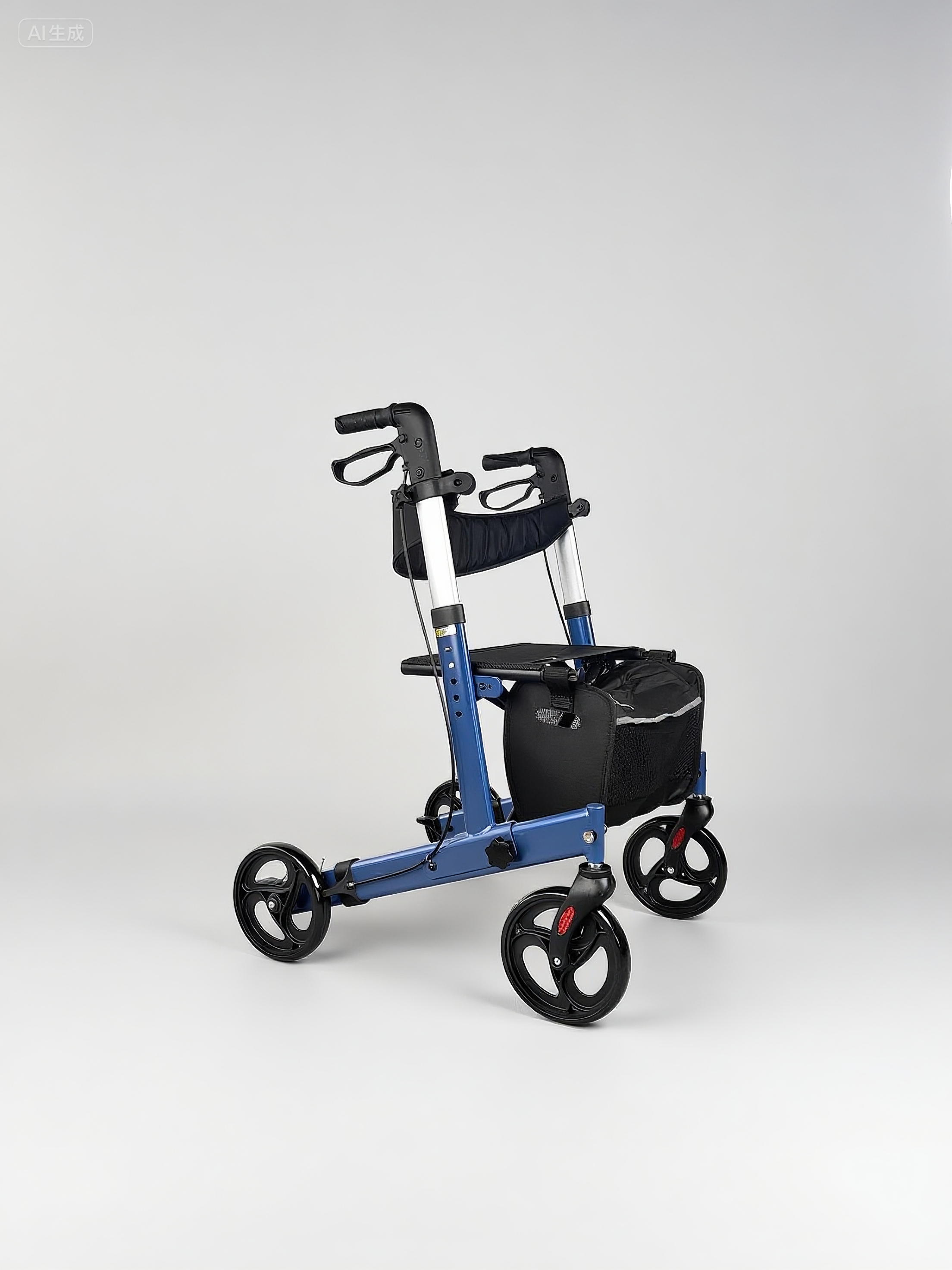
In today’s healthcare sector, procurement managers face increasing pressure to justify every expense while ensuring high standards of patient safety and satisfaction. One significant area of focus is the selection of mobility aids, particularly rollators. The choice between traditional vs ergonomic rollator models has far-reaching implications for cost, quality, and operational efficiency in healthcare facilities. This article presents a detailed cost-benefit analysis, examining both direct and indirect costs to help decision-makers optimize procurement strategies.
1. Introduction to Cost Considerations in Rollator Procurement
When evaluating traditional vs ergonomic rollator options, it is critical to move beyond initial purchase price and examine the full spectrum of costs that affect the bottom line over time. Direct costs include the unit price, shipping, and setup, while indirect costs encompass maintenance, staff training, patient outcomes, and long-term liability. Understanding these factors supports a holistic procurement approach aligned with the strategic goals of healthcare organizations.
2. Direct Cost Factors
2.1 Unit Price Comparison
Generally, traditional rollators are priced lower than their ergonomic counterparts due to simpler design, materials, and established manufacturing processes. However, ergonomic rollators often incorporate advanced features, premium materials, and higher production costs. The gap in unit price can be justified by improved patient comfort and a reduction in complications.
2.2 Shipping and Logistics
Traditional rollators, being less complex, typically have lower shipping costs. Ergonomic models may require additional packaging and careful handling, raising logistics expenses. Bulk procurement strategies and supplier negotiations can mitigate some of these additional costs.
2.3 Installation and Setup
Installation costs are usually minimal for both traditional vs ergonomic rollator models. Nevertheless, ergonomic rollators with modular components or customization options might require specialized assembly, impacting time and labor investment.
3. Indirect Cost Factors
3.1 Maintenance and Repairs
Long-term maintenance is an often-overlooked cost driver. Traditional rollators benefit from universal parts and easier repairs. In contrast, ergonomic rollators, while built for durability, may need proprietary parts and skilled technicians, leading to higher repair costs and longer downtimes in some cases.
3.2 Training and Adaptation
Staff training is another cost consideration. Introducing ergonomic rollators may necessitate new training programs for both healthcare staff and patients. This includes learning about adjustable features, proper usage, and cleaning protocols, potentially increasing indirect costs during initial adoption.
3.3 Patient Outcomes and Liability
Perhaps the most critical indirect cost relates to patient outcomes. Ergonomic rollators are designed to reduce strain, prevent falls, and enhance user independence, potentially lowering the risk of injuries and related liabilities for healthcare facilities. Traditional models, while reliable, may not offer the same degree of protection or comfort, possibly resulting in higher long-term liability and insurance costs.
4. Hidden Costs and Long-Term Implications
Other hidden costs include product obsolescence, changes in regulatory standards, and evolving patient expectations. Ergonomic rollators, though costlier upfront, may have longer life cycles and adapt better to new standards, mitigating future replacement costs.
5. Calculating Total Cost of Ownership (TCO)
A total cost of ownership approach aggregates all direct and indirect costs, providing a realistic comparison between traditional vs ergonomic rollator procurement. Forward-thinking procurement managers use TCO models to present a more accurate ROI to stakeholders, supporting value-based purchasing decisions.
6. Practical Steps for Procurement Managers
Develop a comprehensive TCO calculator customized for your facility’s needs.
Work closely with suppliers to negotiate bundled service packages and training.
Collect feedback from staff and patients to guide future purchasing decisions.
Monitor regulatory trends to anticipate upcoming compliance costs.
7. Case Example: Hospital A’s Rollator Upgrade
Hospital A, a mid-sized acute care facility, transitioned from traditional to ergonomic rollators in 2023. Initial costs rose by 30%, but after 18 months, patient satisfaction scores improved, fall incidents dropped by 22%, and maintenance expenses were cut in half due to better durability. The hospital’s TCO analysis ultimately supported continued investment in ergonomic models.
8. Conclusion
Cost-benefit analysis in rollator procurement requires a deep understanding of both direct and indirect costs over the product’s life cycle. While traditional models may offer immediate cost savings, ergonomic rollators frequently deliver superior outcomes and cost efficiencies in the long term. Procurement managers must weigh these factors in light of their facility’s unique needs and strategic objectives to make the best choice between traditional vs ergonomic rollator solutions.
For more details, please visit: https://smartelderlycare.com/



