





Operational Efficiency and ROI in Traditional vs Ergonomic Rollator Procurement
Healthcare procurement is increasingly driven by demands for cost efficiency, high patient satisfaction, and streamlined operations. When choosing between traditional vs ergonomic rollator solutions, supply chain managers must evaluate operational efficiency and return on investment (ROI) over the long term. This article examines how healthcare facilities can maximize value by understanding these crucial aspects of mobility aid procurement.
1. Understanding Operational Efficiency in Mobility Aid Procurement
Operational efficiency encompasses all processes from sourcing to patient delivery. Efficient procurement leads to lower costs, reduced waste, and improved care outcomes. Evaluating traditional vs ergonomic rollator models for operational efficiency requires a deep dive into process mapping, maintenance, and staff adaptation.
2. Process Streamlining: Traditional vs Ergonomic Rollator
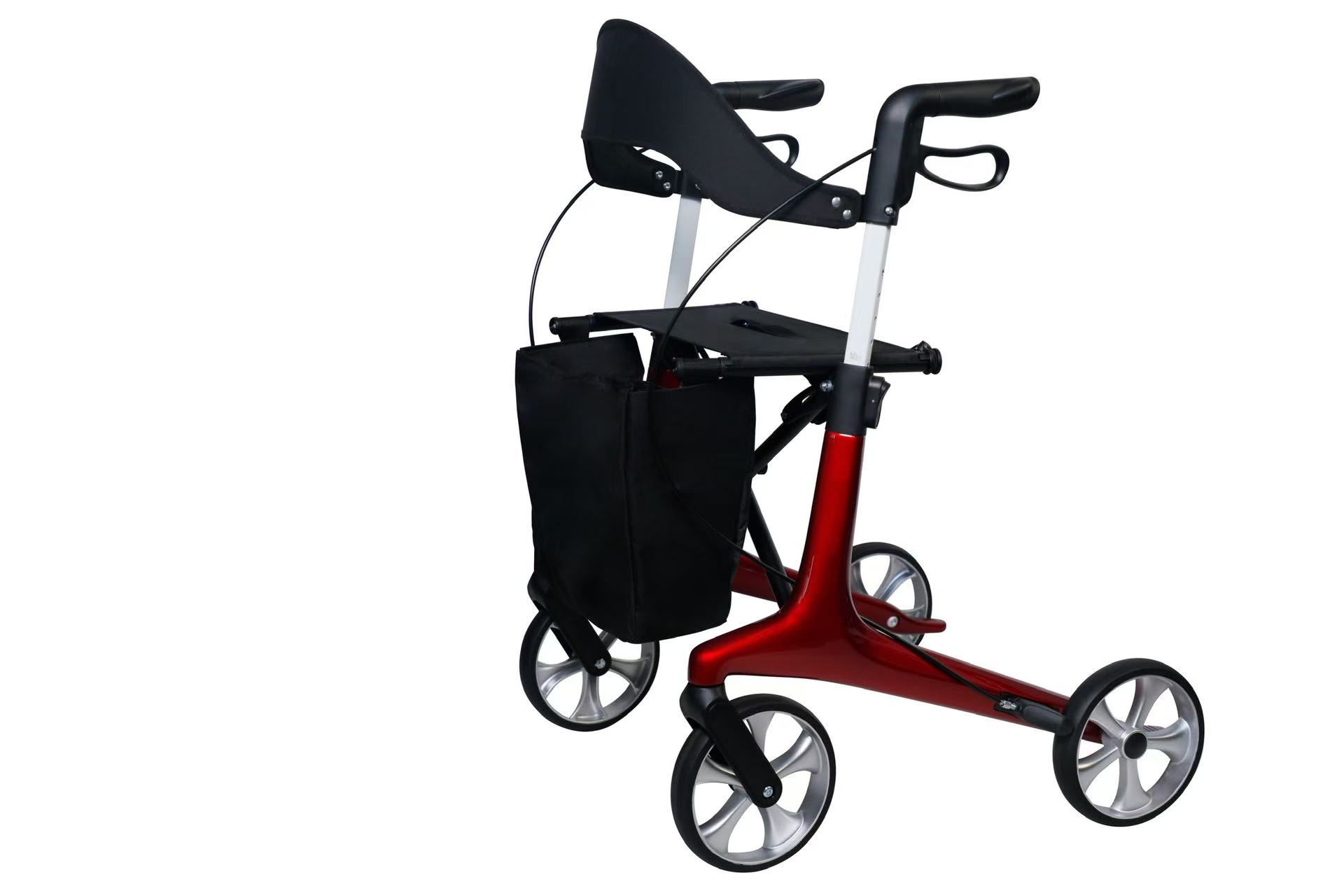
Traditional rollators, with fewer features and simpler mechanics, are often faster to process through logistics and setup. Ergonomic rollators, however, may introduce advanced components and require more comprehensive documentation and initial adjustment. With proper planning, ergonomic rollators can reduce bottlenecks by minimizing long-term issues such as repeated repairs or patient complaints.
3. Staff and Patient Adaptation
Traditional rollators are familiar to most healthcare staff, requiring little additional training.
Ergonomic rollators may need a learning curve but result in better patient engagement, faster rehabilitation, and fewer service requests.
4. ROI Analysis for Healthcare Facilities
Calculating ROI for traditional vs ergonomic rollator procurement involves quantifying operational savings, patient outcomes, and intangible benefits:
Reduced maintenance calls and downtime
Fewer falls and injuries, lowering liability costs
Improved staff productivity and morale
Enhanced facility reputation and patient retention
5. Data-Driven Decision-Making
Leaders use procurement data to identify trends, flag inefficiencies, and forecast long-term savings from ergonomic upgrades. This data includes repair logs, user feedback, length-of-stay statistics, and readmission rates for facilities using different rollator types.
6. Overcoming Implementation Challenges
Challenges may include resistance to change, budget constraints, or unclear measurement of soft benefits. Success strategies include:
Rolling out pilot programs for ergonomic rollators in selected wards
Collecting and publicizing data on positive outcomes
Involving key stakeholders in procurement decisions
7. Case Study: Rehabilitation Center Efficiency Gains
A rehabilitation center replaced all traditional rollators with ergonomic models. Within 12 months, incident reports fell by 30%, staff absenteeism declined, and the center’s operating costs dropped by 12% thanks to lower repair bills and shorter patient stays.
8. Conclusion
Procurement leaders in healthcare should consider not just the upfront price but the broader impact on operational efficiency and ROI. The long-term benefits of ergonomic rollators, including fewer injuries, higher staff and patient satisfaction, and better financial outcomes, often outweigh initial investment concerns. Ultimately, a data-driven, strategic approach is essential for optimizing the value of traditional vs ergonomic rollator procurement.
For more details, please visit: https://smartelderlycare.com/



