





User Experience and Patient Safety: Traditional vs Ergonomic Rollator Procurement
Procurement of mobility aids goes far beyond price negotiations; the core of a successful procurement strategy lies in delivering superior patient outcomes and maximizing user experience. This article explores the impact of traditional vs ergonomic rollator procurement on user satisfaction, safety, and clinical effectiveness within healthcare facilities.
1. The Value of User Experience in Healthcare Procurement
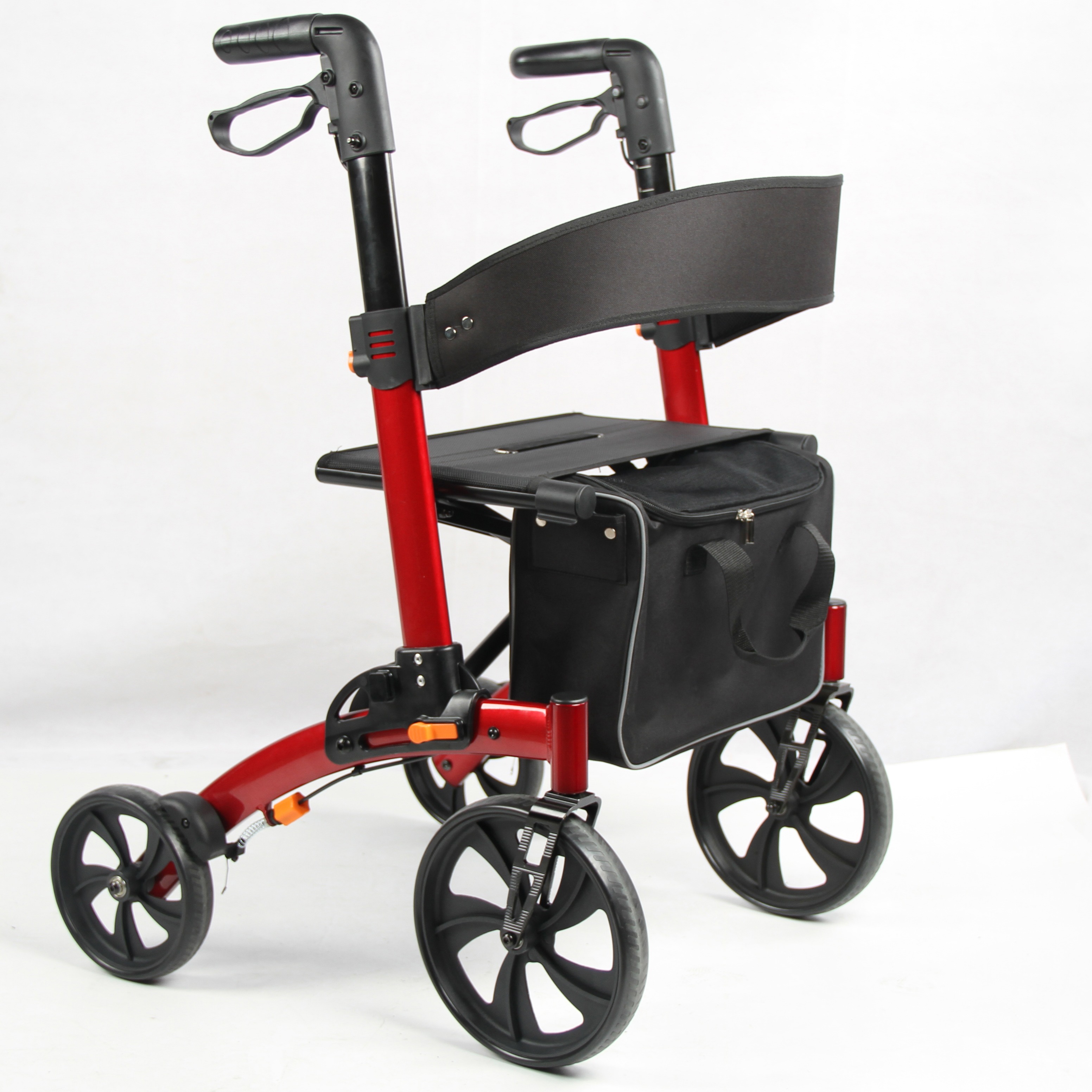
In today’s patient-centered care landscape, user experience is critical. Comparing traditional vs ergonomic rollator models, it’s evident that ergonomic rollators offer enhanced comfort, adjustability, and ease of use, leading to higher patient adoption rates and satisfaction.
2. Safety Outcomes: Preventing Falls and Injuries
Ergonomic rollators are often designed with advanced stability features, intuitive braking systems, and better weight distribution. Clinical trials and post-market studies have shown a measurable reduction in falls and related injuries for facilities that transitioned from traditional rollators to ergonomic models.
Traditional rollators may be adequate for basic mobility but can lack critical safety enhancements.
Ergonomic designs frequently include anti-tip mechanisms, reflective features for visibility, and customized grips for various patient needs.
3. Clinical Effectiveness and Rehabilitation
Rehabilitation outcomes improve when patients are matched with mobility aids that fit their body and activity level. Ergonomic rollators support a natural walking gait and posture, helping patients regain independence more quickly, reducing readmission rates, and shortening lengths of stay.
4. Capturing and Analyzing Patient Feedback
Leading healthcare organizations employ structured feedback tools—such as post-discharge surveys and in-person assessments—to measure satisfaction with traditional vs ergonomic rollator use. Data is used to refine procurement choices and drive continuous quality improvement.
5. Staff Training and Adoption
Switching to ergonomic rollators often requires staff training on new features, maintenance, and patient coaching. While this can be an initial cost, the long-term gains in patient safety and workflow efficiency are considerable.
6. Case Example: Geriatric Care Center Patient Safety Initiative
A geriatric care center implemented a safety initiative centered on replacing traditional rollators with ergonomic models. Within 6 months, fall incidents dropped by 28%, and patient satisfaction scores rose by 18%. The initiative also reduced liability claims and improved public reviews for the facility.
7. Key Considerations for Procurement Managers
Evaluate user needs and activity levels before procurement.
Engage both staff and patients in product trials and feedback sessions.
Balance training costs with long-term safety and satisfaction benefits.
Monitor incident reports and patient feedback post-implementation.
8. Conclusion
Procurement strategies focused on user experience and safety deliver lasting value beyond price. In the comparison of traditional vs ergonomic rollator models, the evidence points to ergonomic options as the preferred choice for healthcare facilities seeking to maximize patient outcomes and satisfaction.
For more details, please visit: https://smartelderlycare.com/