





Maintenance, Durability, and Lifecycle Cost in Traditional vs Ergonomic Rollator Procurement
Long-term value in healthcare procurement extends beyond upfront costs. This article evaluates the maintenance demands, durability, and lifecycle costs associated with traditional vs ergonomic rollator procurement, guiding facility managers to maximize investment and minimize operational risks.
1. Maintenance Requirements: What Procurement Managers Should Know
Maintenance is a critical factor in total cost of ownership. Traditional rollators are known for simple construction and readily available replacement parts, making in-house repairs common and affordable. Ergonomic rollators, while designed for longevity, sometimes require specialized parts and skilled technicians, influencing maintenance schedules and downtime.
2. Durability Testing and Real-World Performance
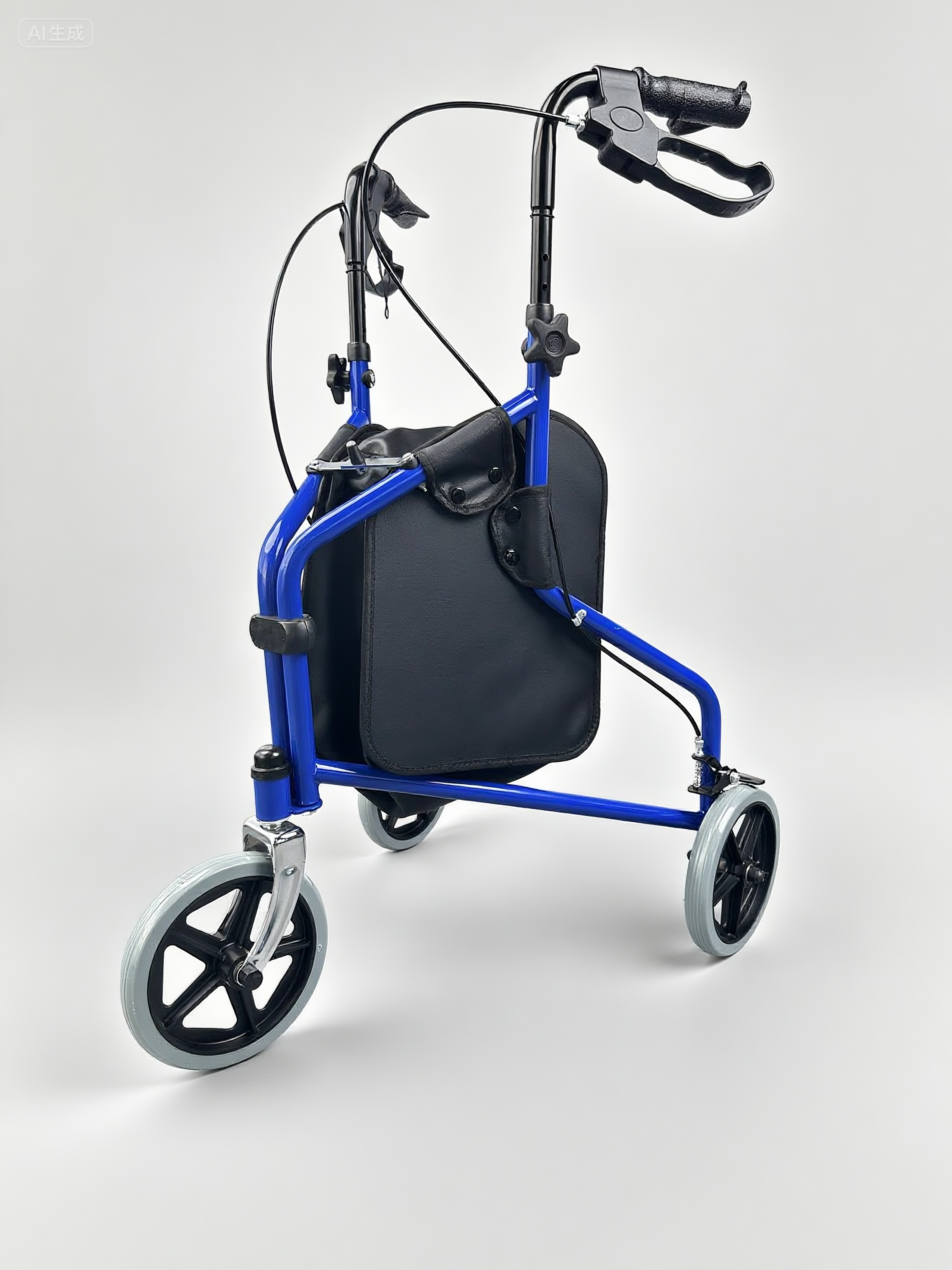
Traditional rollators: Proven track record for durability in low-to-moderate use scenarios. High-wear environments can lead to increased repair frequency.
Ergonomic rollators: Use of advanced materials (e.g., aircraft-grade aluminum, reinforced plastics) and design for high-impact use, showing greater longevity and less frequent breakdowns in clinical studies.
3. Lifecycle Cost Analysis
Lifecycle cost encompasses acquisition, maintenance, repair, and end-of-life disposal. Facilities that choose ergonomic rollators may see higher initial investments but benefit from reduced replacement cycles and fewer unexpected repairs. Total lifecycle cost analysis is key for data-driven decision-making.
4. Supplier Partnerships and Support Contracts
Engage suppliers with strong after-sales support for both traditional vs ergonomic rollator models.
Consider extended warranties, preventative maintenance contracts, and inventory agreements for fast part replacement.
Leverage supplier data on failure rates and performance for ongoing procurement review.
5. Environmental and Compliance Factors
Increasingly, healthcare facilities must consider environmental impact in procurement. Ergonomic rollators are often designed for recyclability and compliance with sustainability standards, helping facilities meet green procurement goals and regulatory demands.
6. Case Example: Cost-Saving Maintenance in Long-Term Care
A long-term care provider conducted a lifecycle analysis of traditional vs ergonomic rollators over five years. Results: ergonomic rollators reduced maintenance incidents by 40% and total cost by 18%, after factoring in downtime, staff time, and replacement purchases.
7. Practical Strategies for Facility Managers
Regularly review maintenance logs to identify persistent issues by rollator type.
Negotiate service agreements based on facility needs and equipment mix.
Involve clinical staff in procurement and maintenance planning for best-fit selection.
8. Conclusion
Maintenance and durability are crucial elements of value in mobility procurement. Lifecycle cost analysis reveals that while traditional rollators are initially cheaper, ergonomic models deliver superior durability, fewer maintenance disruptions, and stronger long-term value—making them an advantageous choice in many healthcare environments.
For more details, please visit: https://smartelderlycare.com/



