





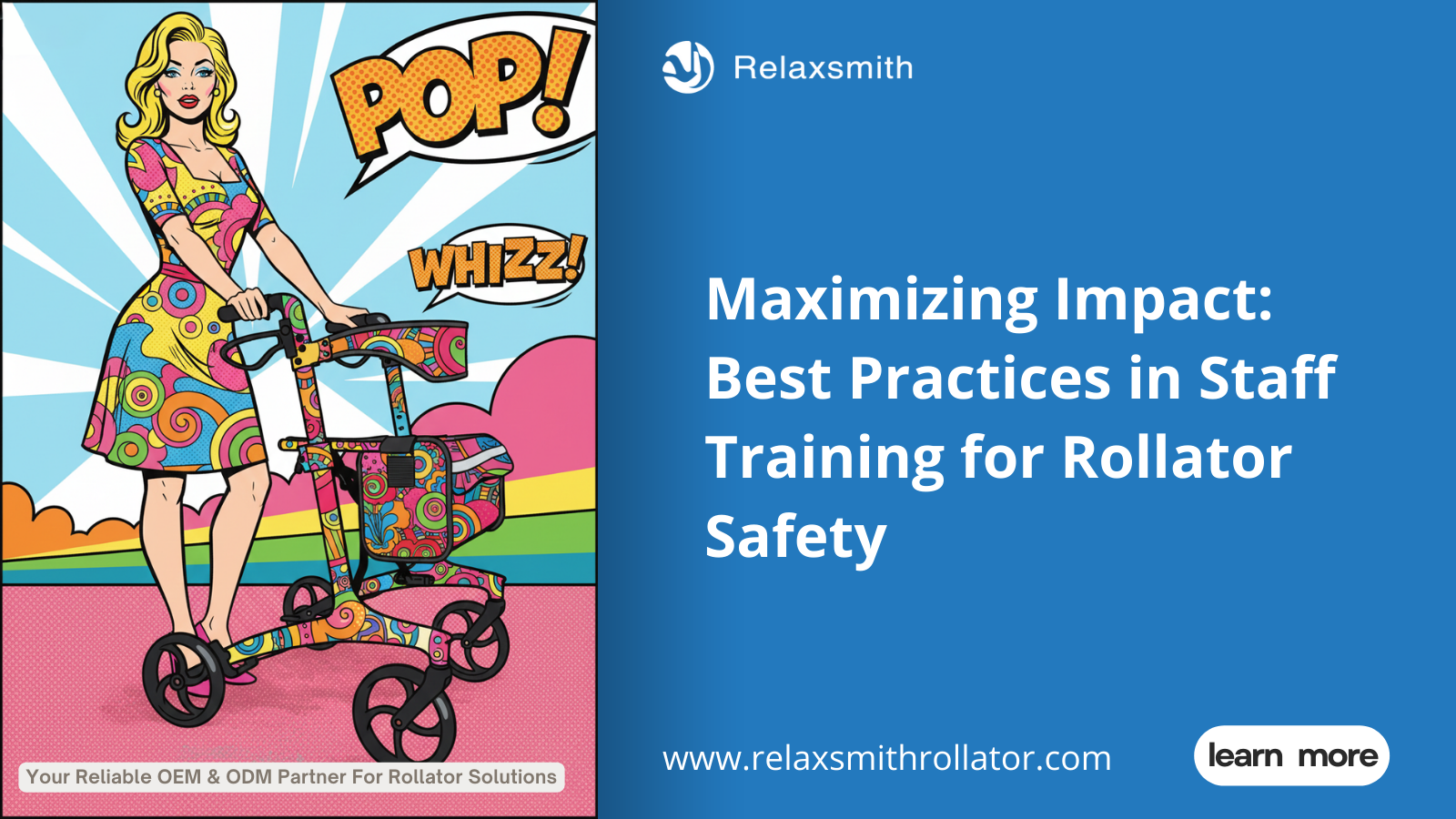
Maximizing Impact: Best Practices in Staff Training for Rollator Safety
High-quality staff training for rollator use is the foundation of safe patient mobility and fall prevention in any healthcare facility. This article provides a blueprint for managers and educators to build, deliver, and sustain training programs that truly make a difference on the clinical floor.
1. Assessing Learning Needs and Styles
Start with a baseline assessment of staff knowledge, experience, and preferred learning methods. Surveys, focus groups, and skill audits will reveal where to focus staff training for rollator efforts for maximum engagement and impact. Consider generational differences and language barriers when developing your approach.
2. Modular and Flexible Curriculum Design
Structure training into small, focused modules—mechanics, fitting, patient transfer, troubleshooting, and infection control. Offer a mix of in-person, online, and on-demand resources. This modular approach allows staff to learn at their own pace and access just-in-time information on staff training for rollator topics when they need it most.
3. Blending Theory with Hands-On Practice
Combine interactive lectures, demonstrations, and supervised practice sessions. Use real-life scenarios and simulations to reinforce critical thinking and problem-solving. Ensure that all staff, from new hires to experienced clinicians, demonstrate competence before independent rollator support.
4. Continuous Assessment and Reinforcement
Integrate quizzes, skills checklists, and patient mobility observations into everyday practice. Regularly review outcomes and update materials based on staff feedback and the latest best practices in staff training for rollator safety.
5. Creating a Culture of Safety and Lifelong Learning
Celebrate training milestones and recognize staff who champion safe rollator use. Foster peer mentoring and encourage open dialogue about challenges. Position ongoing education as a shared commitment to excellence and patient well-being.
For more details, please visit: www.relaxsmithrollator.com