





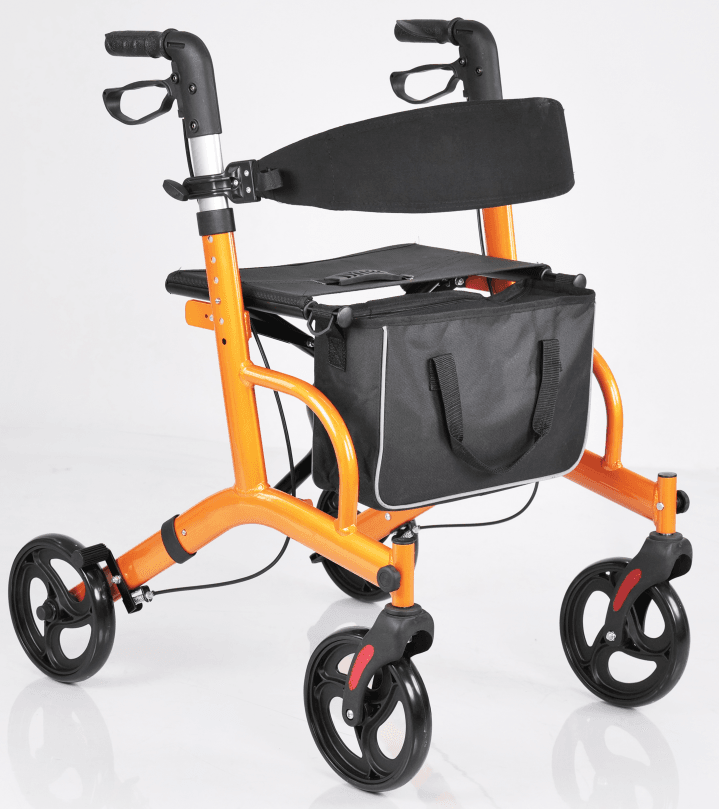
Procurement Pitfalls: Buying Rollators Without Considering User Capacity
Purchasing rollators is not just about price, availability, or features—it's about fit. One of the most common mistakes in procurement is ignoring user-specific capacity and defaulting to heavier or over-engineered designs. When this occurs, users quickly experience the signs that use a rollator that's too heavy: joint strain, reduced usage, and general mobility avoidance. This article outlines key procurement missteps and how to prevent them.
1. Assuming One Size Fits All
Bulk purchases often overlook the nuanced needs of user populations. Buying hundreds of the same rollator without regard for individual lifting ability or environment often leads to deployment of unsuitable models. The result? Complaints, low compliance, and the visible signs that use a rollator that's too heavy across the user base.
2. Ignoring Weight as a Specified Parameter
Many procurement sheets list brake types, handle height, and color options—but omit weight-to-strength ratio. This omission means a vital performance indicator is missed. Procurement should define maximum weight thresholds per use case and monitor this with every vendor quote.
3. Underestimating Long-Term Fatigue Risk
Initial trials may show users managing the rollator fine. But within a few weeks or months, patterns emerge—decreased distance traveled, increased shoulder or wrist complaints, and more returns. These are slow-burning the signs that use a rollator that's too heavy. Only proper pilot programs and surveys can capture this long-term fatigue effect before full rollout.
4. Not Consulting Clinical or Occupational Therapists
Therapists and clinicians often know firsthand what weight distribution or grip design is best. Yet they are left out of RFPs or vendor evaluations. Their feedback could prevent procurement from purchasing equipment that looks good on paper but fails in the field.
5. Overvaluing Durability Over Comfort
Durability and safety are vital—but when it outweighs usability, adoption plummets. Products with extra-thick tubing or add-on compartments may seem sturdy but often drive up weight unnecessarily. Balance is key. Users rejecting rollators due to discomfort is often among the signs that use a rollator that's too heavy for everyday function.
Conclusion
Procurement professionals must adopt a user-centric approach to rollator selection. Define parameters that include weight ceilings, conduct long-term pilot testing, and consult with clinical experts. Only then can we eliminate mismatch, reduce returns, and avoid triggering the subtle yet serious signs that use a rollator that's too heavy.