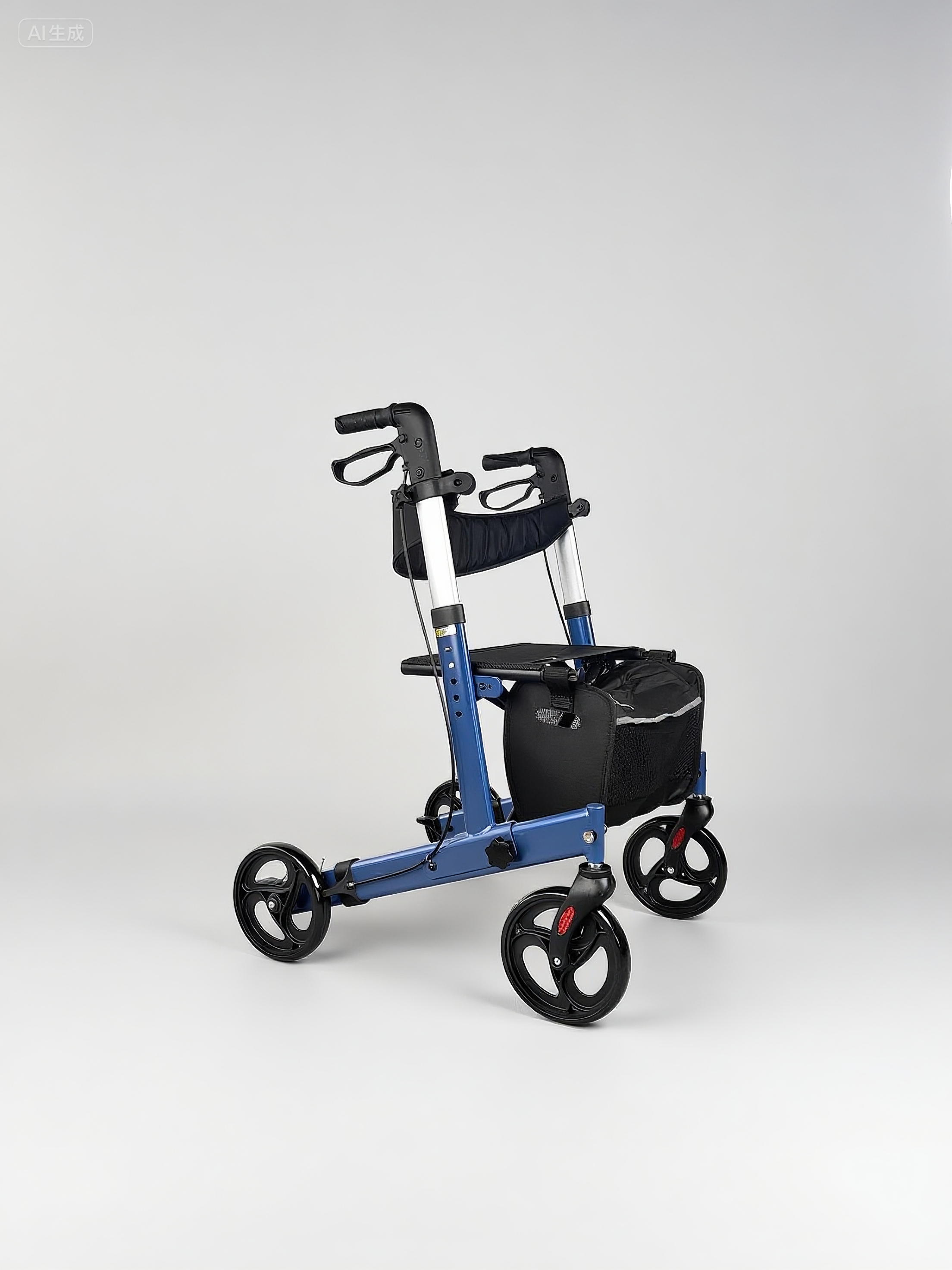
Procurement Strategies for Enhanced Safety: Flexible Handrail Walkers in Healthcare Institutions
Procurement teams and product managers in healthcare must continuously seek out ways to improve patient safety, efficiency, and value—especially when it comes to assistive devices. The procurement advantages of medical walkers equipped with flexible handrails in healthcare institutions are increasingly recognized for their ability to address complex needs in diverse care settings. This article outlines practical procurement strategies to maximize safety and value for all stakeholders.
1. Aligning Procurement Goals with Patient Safety
Integrating safety objectives into procurement specifications is critical. Considerations include:
Ensuring flexible handrails meet clinical and ergonomic standards
Requiring suppliers to provide evidence of safety outcomes in similar institutions
Mandating compliance with regulatory and certification bodies
Making patient safety a non-negotiable in procurement delivers tangible risk reduction and supports institutional reputation.
2. Evaluating Supplier Capabilities and Quality Systems
Successful procurement depends on trusted partners. Key steps:
Request supplier quality assurance documentation and audit reports
Review case studies demonstrating procurement advantages of medical walkers equipped with flexible handrails in healthcare institutions
Assess supplier responsiveness to product feedback and post-market surveillance
Quality-focused partnerships foster ongoing innovation and minimize adverse events.
3. Enhancing Value through Lifecycle Management
Beyond the purchase price, lifecycle management determines long-term value. Approaches include:
Specifying service and maintenance agreements with all contracts
Choosing modular walker designs for simplified part replacement
Tracking device usage and outcomes with digital asset management tools
Lifecycle thinking ensures sustainable procurement advantages of medical walkers equipped with flexible handrails in healthcare institutions.
4. Training and Change Management for Successful Adoption
Even the best devices require training for safe use. Strategies:
Engage clinical educators for onboarding and hands-on training
Develop quick-reference guides and digital learning modules for staff
Monitor adoption rates and safety incidents to guide improvements
Proactive training prevents errors and supports faster, safer implementation.
5. Compliance, Reporting, and Continuous Improvement
Robust procurement teams drive continuous improvement by:
Auditing device performance and reporting safety outcomes
Benchmarking against peer institutions
Partnering with suppliers on product upgrades based on user data
Procurement is a continuous journey—success depends on openness to feedback and data-driven decisions.
Conclusion
The procurement advantages of medical walkers equipped with flexible handrails in healthcare institutions are clear—safer patients, more efficient workflows, and greater value over time. By aligning procurement strategy with robust evaluation, supplier collaboration, and staff engagement, healthcare organizations can set new standards for safety and performance in assistive device selection.
For more details, please visit: https://smartelderlycare.com/
Tags: Elderly mobility support, Mobility support with wheels, Sturdy mobility walker, Lightweight folding aid, Elder walker with comfort grip
SEO Keywords: procurement advantages of medical walkers equipped with flexible handrails in healthcare institutions, enhanced safety and value in assistive device procurement, procurement strategy, supplier quality assurance, lifecycle management, flexible handrail walkers, staff training, healthcare compliance, digital asset tracking, device adoption, maintenance agreements, modular medical walker, procurement evaluation, product feedback, risk reduction procurement, clinical standards, audit reporting, procurement continuous improvement, benchmark healthcare procurement, digital learning modules, assistive device workflow, outcome measurement procurement, staff onboarding, healthcare product management, procurement implementation, user data-driven upgrades, peer benchmarking, product safety evaluation, procurement stakeholder engagement, asset management, walker compliance, healthcare innovation, procurement supplier partnership, modular design procurement