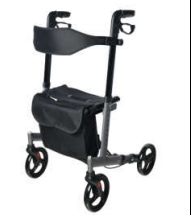
Future-Proofing Healthcare: Enhanced Safety and Value with Flexible Handrail Walkers
Procurement teams and product managers are tasked with balancing immediate patient needs, evolving regulatory requirements, and long-term institutional resilience. Medical walkers with flexible handrails are setting new benchmarks for safety and value in this challenging landscape. This final article explores how forward-looking healthcare institutions can maximize the procurement advantages of medical walkers equipped with flexible handrails in healthcare institutions to deliver continuous improvement and future-ready care.
1. Adapting to New Safety and Care Paradigms
As patient demographics and care protocols evolve, procurement must:
Identify assistive devices adaptable to diverse patient profiles and mobility levels
Specify safety features—like flexible handrails—that anticipate next-generation standards
Prioritize technology upgrades for patient data collection and outcomes analysis
The procurement advantages of medical walkers equipped with flexible handrails in healthcare institutions include adaptability and preparedness for emerging care challenges.
2. Investing in Sustainable, Value-Driven Procurement
Forward-thinking organizations integrate sustainability into value calculations by:
Selecting recyclable, low-impact materials for walker construction
Establishing buy-back or refurbishment programs with suppliers
Auditing for supply chain sustainability certifications
Procurement advantages of medical walkers equipped with flexible handrails in healthcare institutions span both environmental and financial stewardship.
3. Digital Transformation for Smarter Procurement
Future-proof procurement is powered by digital tools:
Adopt AI-driven demand forecasting to align walker procurement with patient volumes
Implement cloud-based asset management for device tracking and maintenance
Leverage IoT sensors to monitor device usage and safety metrics in real time
Technology-driven procurement advantages of medical walkers equipped with flexible handrails in healthcare institutions extend to efficiency, transparency, and patient satisfaction.
4. Proactive Risk Mitigation and Regulatory Alignment
To future-proof care delivery, institutions must:
Establish compliance protocols aligned with anticipated regulatory changes
Integrate device recalls and incident data into procurement planning
Train procurement teams in proactive risk assessment and crisis response
Procurement leaders mitigate future shocks by embedding risk management into device selection and contracting.
5. Building Innovation Partnerships with Suppliers
Leading institutions shape the market by:
Co-developing walker enhancements with clinical and engineering teams
Setting up innovation labs for pilot testing new safety features
Sharing patient outcome data to drive evidence-based improvements
Supplier partnerships accelerate innovation cycles and amplify procurement advantages of medical walkers equipped with flexible handrails in healthcare institutions.
Conclusion
To ensure safety, value, and adaptability in the face of change, healthcare procurement must embrace forward-thinking strategies. The procurement advantages of medical walkers equipped with flexible handrails in healthcare institutions are clear—from risk mitigation and patient-centered design to digital innovation and sustainability. By prioritizing continuous improvement and institutional resilience, procurement teams can secure better outcomes for patients, staff, and their organizations long into the future.
For more details, please visit: https://smartelderlycare.com/
Tags: Elderly mobility support, Mobility support with wheels, Sturdy mobility walker, Lightweight folding aid, Elder walker with comfort grip
SEO Keywords: procurement advantages of medical walkers equipped with flexible handrails in healthcare institutions, enhanced safety and value in assistive device procurement, future-proof healthcare procurement, sustainable medical devices, AI-driven procurement, digital transformation supply chain, risk mitigation, regulatory alignment, innovation partnerships, patient-centered walker design, asset management medical devices, cloud-based procurement, IoT monitoring, patient data analysis, supply chain sustainability, walker pilot testing, buy-back program medical devices, procurement resilience, patient outcome data, evidence-based procurement, compliance protocols, environmental stewardship healthcare, next-generation device standards, refurbishment program, walker construction materials, supplier innovation labs, adaptability procurement, crisis response procurement, forward-thinking procurement, proactive risk assessment, healthcare device recall, procurement planning, technology-driven value, procurement efficiency, transparency medical procurement