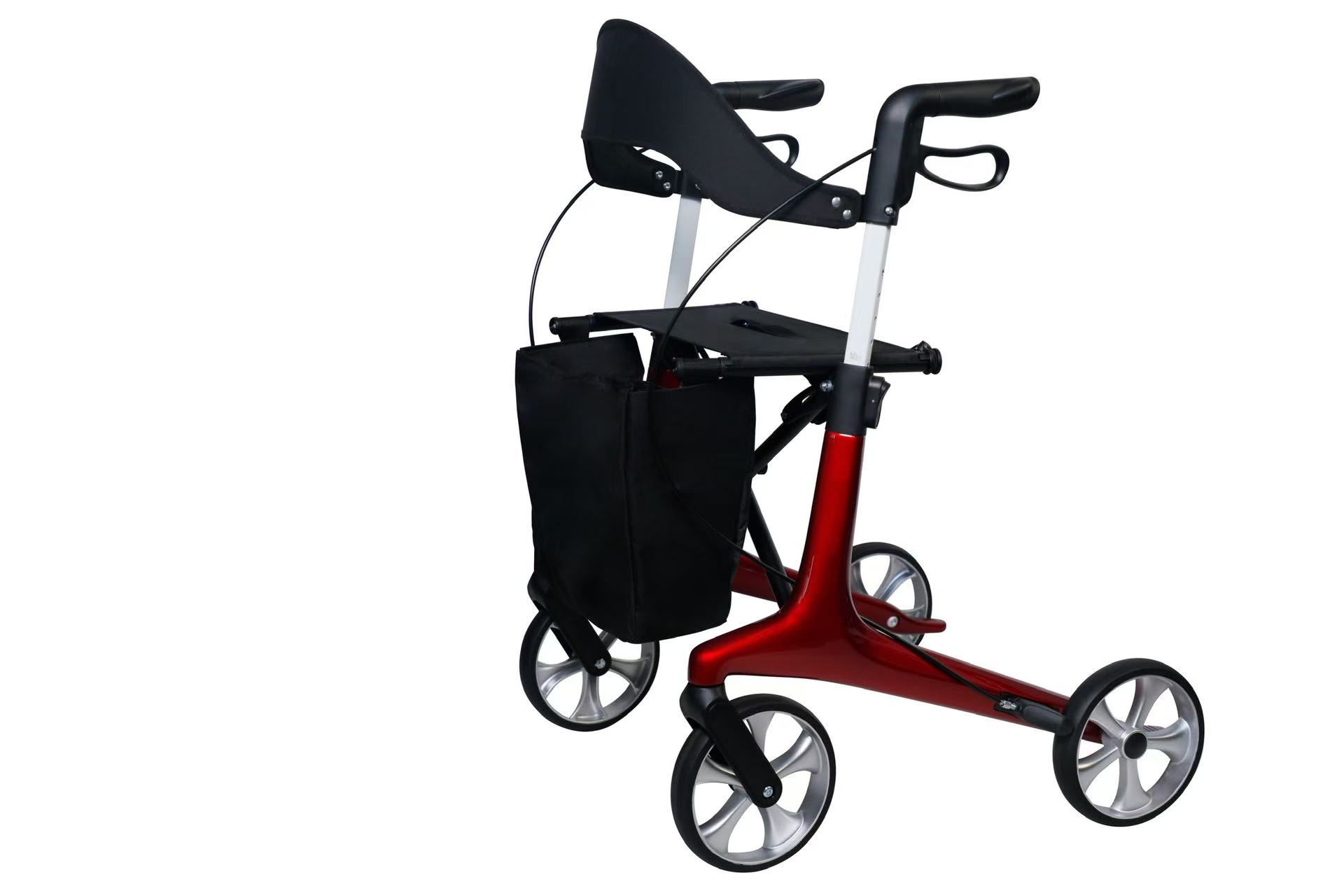
Total Value Assessment: Flexible Handrail Walkers for Safer Healthcare Procurement
With safety and value under increasing scrutiny in healthcare procurement, product managers and supply chain leaders are rethinking evaluation strategies. Medical walkers with flexible handrails are now in focus, promising enhanced patient safety and broader value in hospital and care settings. This article examines the procurement advantages of medical walkers equipped with flexible handrails in healthcare institutions and how these advantages impact long-term procurement decisions.
1. The Safety Premium: Flexible Handrails in Action
Flexible handrails are designed for patient adaptability and ergonomic comfort. Their real-world benefits include:
Allowing safer transfers and easier mobility for patients of varying abilities
Reducing slip and fall incidents due to anti-slip, soft grip features
Supporting physical therapy protocols that demand variable support strength
Procurement advantages of medical walkers equipped with flexible handrails in healthcare institutions directly correlate with risk mitigation and enhanced clinical outcomes.
2. Total Lifecycle Value for Healthcare Institutions
Value assessment goes beyond initial cost. Procurement professionals consider:
Durability: Longer product lifespans reduce replacement frequency
Lower maintenance requirements due to modular, repair-friendly designs
Greater patient throughput in rehab, shortening average length of stay
The procurement advantages of medical walkers equipped with flexible handrails in healthcare institutions also extend to operational efficiency and cost predictability.
3. Evaluating Impact on Staff and Facility Resources
Walkers with flexible handrails also make a difference for healthcare staff:
Decrease physical strain on staff during transfers and gait training
Reduce incidence of staff injury claims and related insurance costs
Enhance staff workflow and morale by simplifying device adjustments
These benefits drive institutional value, influencing procurement teams’ buying criteria.
4. Integrating Flexible Walker Procurement into Safety Programs
Best practices for leveraging procurement advantages include:
Involving safety and rehab leads in procurement evaluations
Specifying flexible handrail technology in RFPs and supplier contracts
Requesting outcome data from suppliers as part of value validation
Procurement teams secure better terms and confidence when tying purchasing to specific patient and safety outcomes.
5. Real-World Example: Hospital Implementation Success
A large metropolitan hospital switched to medical walkers with flexible handrails, resulting in:
22% reduction in patient fall rates on rehabilitation floors
Decrease in staff musculoskeletal injuries linked to mobility assistance
Positive patient feedback, driving up Net Promoter Scores and institutional reputation
Such evidence strengthens the case for including flexible handrails in assistive device procurement standards.
Conclusion
Flexible handrails offer both measurable and perceived procurement advantages of medical walkers equipped with flexible handrails in healthcare institutions, making them a smart investment for safer, higher-value care delivery. As device innovation continues, procurement teams who prioritize these features will see ongoing benefits in cost, staff wellbeing, and—most importantly—patient safety.
For more details, please visit: https://smartelderlycare.com/
Tags: Elderly mobility support, Mobility support with wheels, Sturdy mobility walker, Lightweight folding aid, Elder walker with comfort grip
SEO Keywords: procurement advantages of medical walkers equipped with flexible handrails in healthcare institutions, enhanced safety and value in assistive device procurement, total value assessment, medical walker procurement, healthcare supply chain, flexible handrail benefits, fall reduction walkers, staff injury prevention, lifecycle cost, hospital procurement strategy, patient-centered assistive devices, risk mitigation in healthcare, modular walker design, device maintenance savings, clinical outcome improvement, rehab patient mobility, procurement innovation, assistive device ROI, cost predictability healthcare, safety program procurement, flexible walker RFP, supplier outcome data, institutional value healthcare, workflow efficiency, NPS improvement medical devices, hospital reputation, supply chain cost control, ergonomic walker design, device durability healthcare, value-based purchasing, procurement decision criteria, staff morale procurement, patient safety outcomes, procurement implementation case study, rehab department procurement, procurement best practices, medical equipment innovation, healthcare procurement success, device standardization