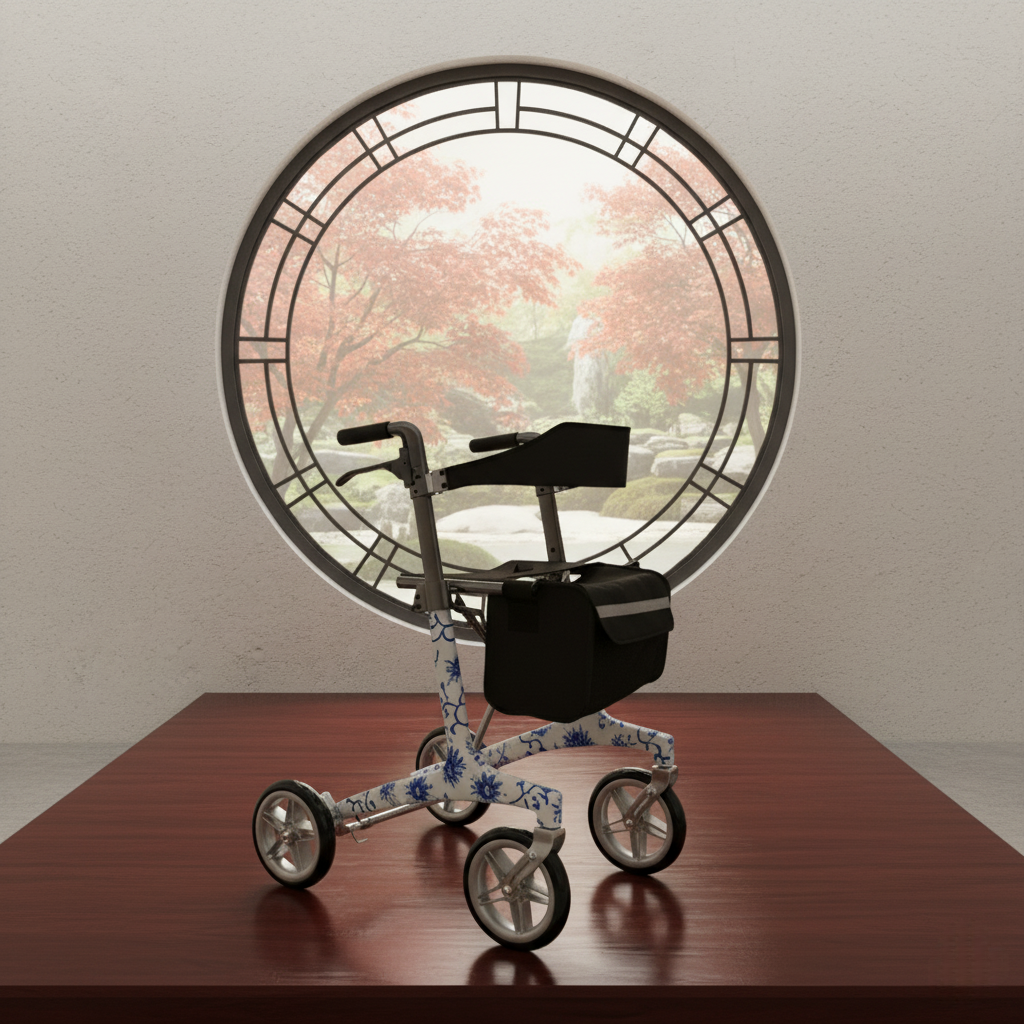
 Understanding User Needs and Feedback for Effective Rollator Selection
Product managers play a vital role in ensuring that the rollators selected meet the needs and expectations of users. The process begins with understanding user needs and collecting feedback, which provides insights that guide decision-making. This article explores how product managers can leverage user feedback to ensure user satisfaction and select the right rollators for diverse needs.
1. Importance of Gathering Comprehensive User Feedback
To make informed decisions about rollator selection, it’s crucial to gather detailed feedback from end-users. Product managers can use various methods, such as surveys, interviews, and focus groups, to understand the challenges users face and the features they value most. By directly engaging with users, product managers can uncover insights into:
The types of mobility issues users face (e.g., balance issues, weakness, joint pain)
Preferred features such as adjustable height, ease of folding, or built-in storage
Concerns about safety, comfort, and ease of use
Understanding these needs helps product managers choose rollators that align with users' expectations, thereby enhancing the user experience.
2. User-Centered Design and Personalization
User-centered design ensures that rollators are tailored to the specific needs of users. Product managers can prioritize features such as:
Adjustable handles to accommodate users of different heights
Lightweight frames for easy maneuverability
Comfortable grips and padded seats for prolonged use
By incorporating user feedback into the design process, product managers can select rollators that not only meet functional requirements but also provide personalized experiences for users with varying mobility challenges.
3. Importance of Real-World Testing
Field testing is another essential method for gathering feedback. Observing users in real-world conditions allows product managers to assess how rollators perform in everyday settings. Some aspects to consider during real-world testing include:
The stability of the rollator on uneven surfaces or slopes
The ease of use when navigating tight spaces, such as hallways or doorways
The comfort and effectiveness of the rollator for extended periods of use
Testing in diverse environments helps product managers identify any shortcomings and refine their rollator selection accordingly.
4. Analyzing Data for Informed Decision-Making
Once user feedback is collected, product managers must analyze the data to identify patterns and trends. By examining user preferences, behaviors, and concerns, managers can make data-driven decisions about the features that should be prioritized in future rollator models. For example, if a significant number of users express concern about the weight of the rollator, product managers can focus on sourcing lightweight models for future procurement.
5. Continuous Improvement Based on Feedback
The process doesn’t end with the initial selection. Product managers should continuously gather feedback even after rollators are deployed. Ongoing feedback loops ensure that rollators continue to meet evolving user needs and preferences. Regular assessments and iterations can lead to further improvements, such as adding new features or refining existing ones to better support users.
Tags: Product manager rollator selection, user feedback, rollator features, mobility aids, user-centered design, healthcare product manager, real-world testing, rollator safety, rollator selection, user satisfaction
SEO Keywords: product manager rollator selection, rollator selection, product manager rollator selection
For more details, please visit: www.relaxsmithrollator.com
READ MORE: