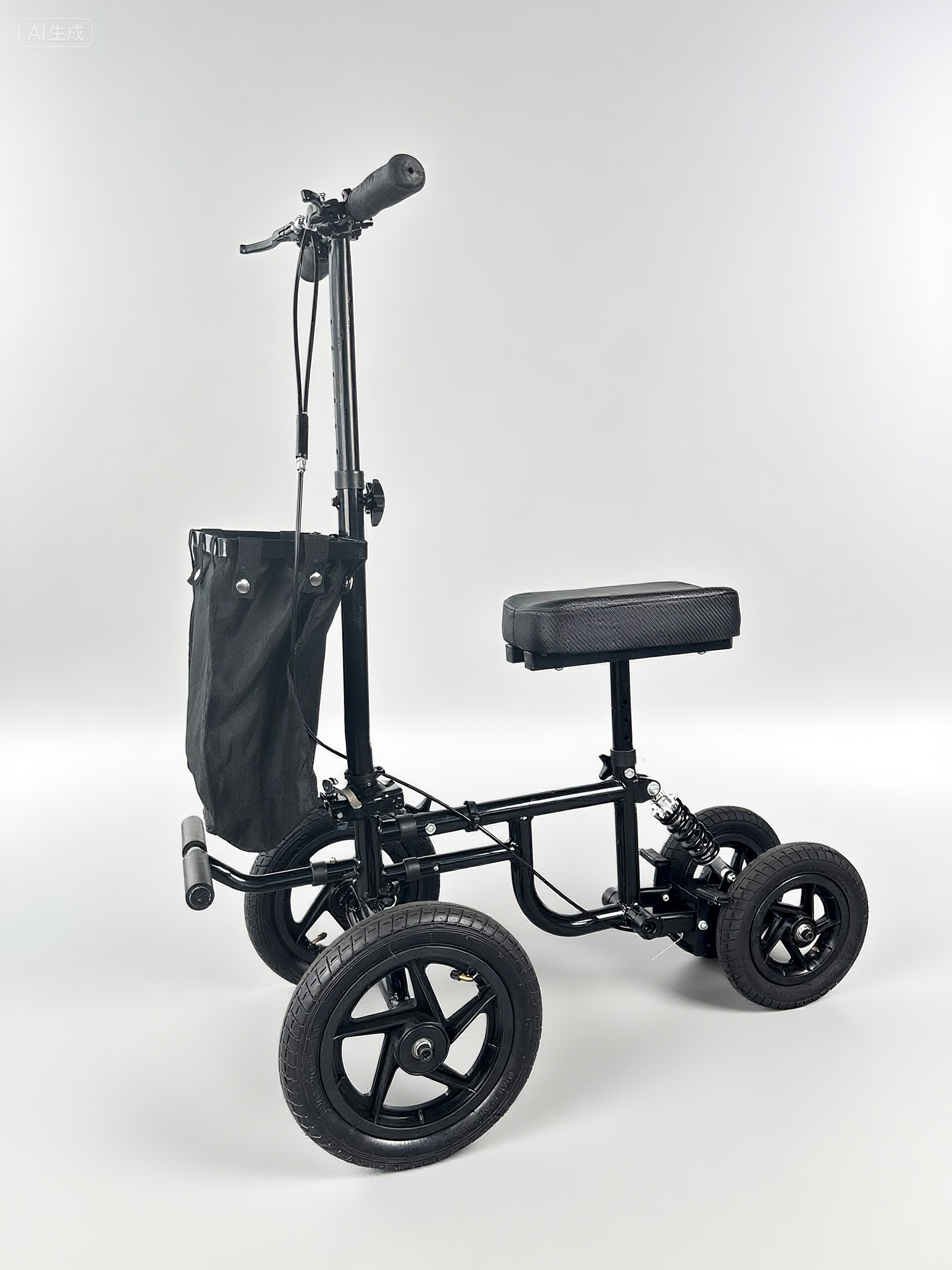
Blueprint for Better Care: Patient-Centered Procurement of Walking Aids

Meeting patient needs in rehabilitation equipment selection is both a science and an art. This blueprint provides actionable steps for procurement teams to deliver true patient-centered procurement of walking aids, driving better care and organizational performance.
1. Defining Success: What Matters to Patients
Start by mapping success to patient experience:
Identify key daily living activities impacted by walking aids
Survey patients and therapists on device pain points and “wish lists”
Incorporate real-life scenarios in product selection trials
Centering procurement around real-world needs boosts adoption and clinical outcomes.
2. Cross-Functional Evaluation and Inclusive Design
Bring diverse voices to the table for fair, balanced decisions:
Invite occupational and physical therapists to join procurement panels
Assess design inclusivity—are walking aids accessible to users with varying mobility, vision, and dexterity?
Run side-by-side usability tests to highlight differences in comfort and support
Patient-centered procurement of walking aids thrives on broad expertise and inclusivity.
3. Smart Procurement: Data, Value, and Safety
Empower procurement with robust, actionable intelligence:
Use supplier performance data, warranty history, and device safety records in evaluation
Compare device lifetime value—including repairs, upgrades, and user training
Document procurement decisions and tie outcomes to patient safety and satisfaction
Data-driven purchasing delivers higher patient value and lowers institutional risk.
4. Training, Onboarding, and Post-Sale Support
Great products require great implementation:
Develop easy-access user guides and in-service training for both patients and staff
Monitor early user experience to catch and correct issues quickly
Include service and support terms in every procurement contract
Continuous feedback strengthens long-term device performance and user confidence.
5. Sustaining Excellence through Continuous Improvement
Procurement is never “one and done.”
Solicit periodic user and clinician feedback on device performance
Benchmark outcomes and satisfaction against national best practices
Iterate specifications with each new procurement cycle for ongoing gains
Patient-centered procurement of walking aids requires ongoing vigilance and openness to innovation.
Conclusion
Blueprints for patient-centered procurement of walking aids ensure every purchasing choice advances safety, usability, and clinical impact. For modern product managers and procurement leaders, adopting these strategies transforms rehabilitation—and lives.
For more details, please visit: https://smartelderlycare.com/
Tags: Patient-centered procurement, Walking aid user experience, Rehabilitation device usability, Inclusive assistive design, Healthcare procurement process
SEO Keywords: patient-centered procurement of walking aids, prioritizing patient needs in rehabilitation equipment selection, walking aid usability, cross-functional procurement team, data-driven procurement, value-based walking aid selection, supplier performance analysis, safety records walking aids, training and onboarding procurement, post-sale device support, warranty management, usability testing, design inclusivity, feedback-driven procurement, occupational therapist procurement, physical therapy equipment selection, best practice benchmarking, device adoption metrics, continuous procurement improvement, innovation in assistive devices, device trial programs, procurement specification updates, clinical impact walking aids, procurement contract management, user guide development, staff and patient training, walking aid accessibility, mobility device evaluation, procurement intelligence, rehabilitation outcome measurement, national standards walking aids, procurement cycle improvement, healthcare assistive innovation