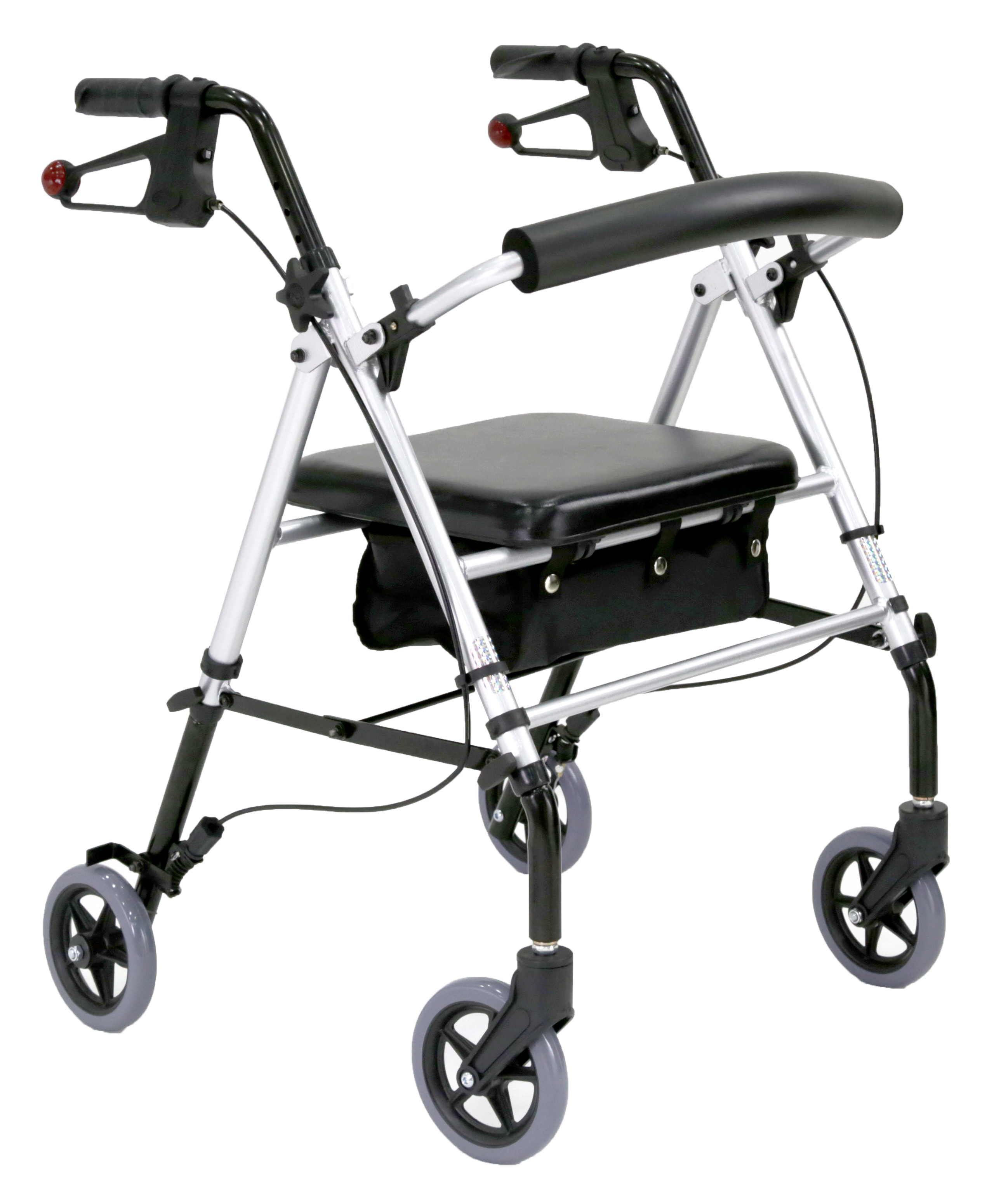
Prioritizing Patient Needs in Rehabilitation Equipment Selection: A Patient-Centered Approach
For product managers and procurement supply chain professionals, patient outcomes depend on every decision in the rehabilitation equipment procurement process. This article provides a framework for prioritizing patient needs in rehabilitation equipment selection and demonstrates how patient-centered procurement of walking aids brings tangible benefits for users and healthcare providers alike.
1. Understanding Patient Needs in Rehabilitation
Patient-centered procurement of walking aids starts with a deep understanding of the physical, emotional, and social needs of end-users. Critical factors include:
Level of mobility and required assistance
Patient safety, comfort, and adaptability of devices
Preference for lightweight or foldable designs to support independence
Ease of adjustment for varying patient conditions
Patient engagement in the evaluation process ensures devices are not just clinically appropriate, but genuinely embraced in daily life.
2. Clinical Evidence and Customization in Equipment Selection
Clinical data should inform all procurement decisions. Key points:
Work with therapists and physicians to review the latest research on device effectiveness
Prioritize walking aids that support individual customization—height, handle type, weight, and accessories
Consider inclusive features for cognitive or visual impairments
Customization supports patient-centered procurement of walking aids and boosts rehabilitation outcomes.
3. Safety and Risk Management in Walking Aid Procurement
Patient safety must always come first. Smart procurement strategies include:
Mandating ISO/FDA-certified walking aids
Evaluating anti-slip, stability, and ergonomic features in real-world tests
Monitoring device recall and safety notice data from suppliers
Safety-driven procurement aligns with patient-centered procurement of walking aids and reduces institutional liability.
4. Value Analysis: Total Cost and Patient Outcomes
True value is measured over a device’s lifetime—not just its sticker price. Recommendations:
Include user training and maintenance support in procurement contracts
Analyze readmission rates and therapy outcomes tied to specific devices
Benchmark supplier support and responsiveness for post-sale service
Value-based procurement that puts patients first saves costs and improves satisfaction in the long term.
5. Building a Multidisciplinary Procurement Team
Collaboration leads to smarter decisions:
Include clinicians, therapists, patients, and supply chain professionals in all major purchasing decisions
Conduct pilot programs and gather direct feedback from diverse user groups
Establish clear metrics for device performance and user satisfaction
Multidisciplinary teamwork ensures patient-centered procurement of walking aids is sustainable and impactful.
Conclusion
Prioritizing patient needs in rehabilitation equipment selection demands a shift from transactional procurement to holistic, patient-centered strategy. By integrating clinical evidence, safety, value, and collaboration at every step, procurement leaders deliver better outcomes for both patients and institutions.
For more details, please visit: https://smartelderlycare.com/
Tags: Patient-centered procurement, Rehabilitation device selection, Walking aid customization, Healthcare procurement strategy, Inclusive assistive devices
SEO Keywords: Prioritizing patient needs in rehabilitation equipment selection, patient-centered procurement of walking aids, rehabilitation device value, safety-driven procurement, walking aid customization, inclusive rehabilitation equipment, multidisciplinary procurement team, user satisfaction metrics, total cost analysis rehabilitation, ISO certified walking aids, patient safety procurement, supplier support, device lifetime value, therapy outcome benchmarking, healthcare supply chain collaboration, clinical evidence procurement, cognitive impairment aids, anti-slip walking aids, ergonomic device features, recall data monitoring, pilot user feedback, post-sale service, procurement contract support, foldable walking aids, lightweight assistive devices, rehabilitation user training, procurement team strategy, value-based procurement, device readmission rates, healthcare innovation procurement, procurement stakeholder engagement, device performance metrics, supplier responsiveness, rehabilitation user engagement, procurement process improvement, procurement pilot program, device adaptability, healthcare procurement impact, rehabilitation device safety