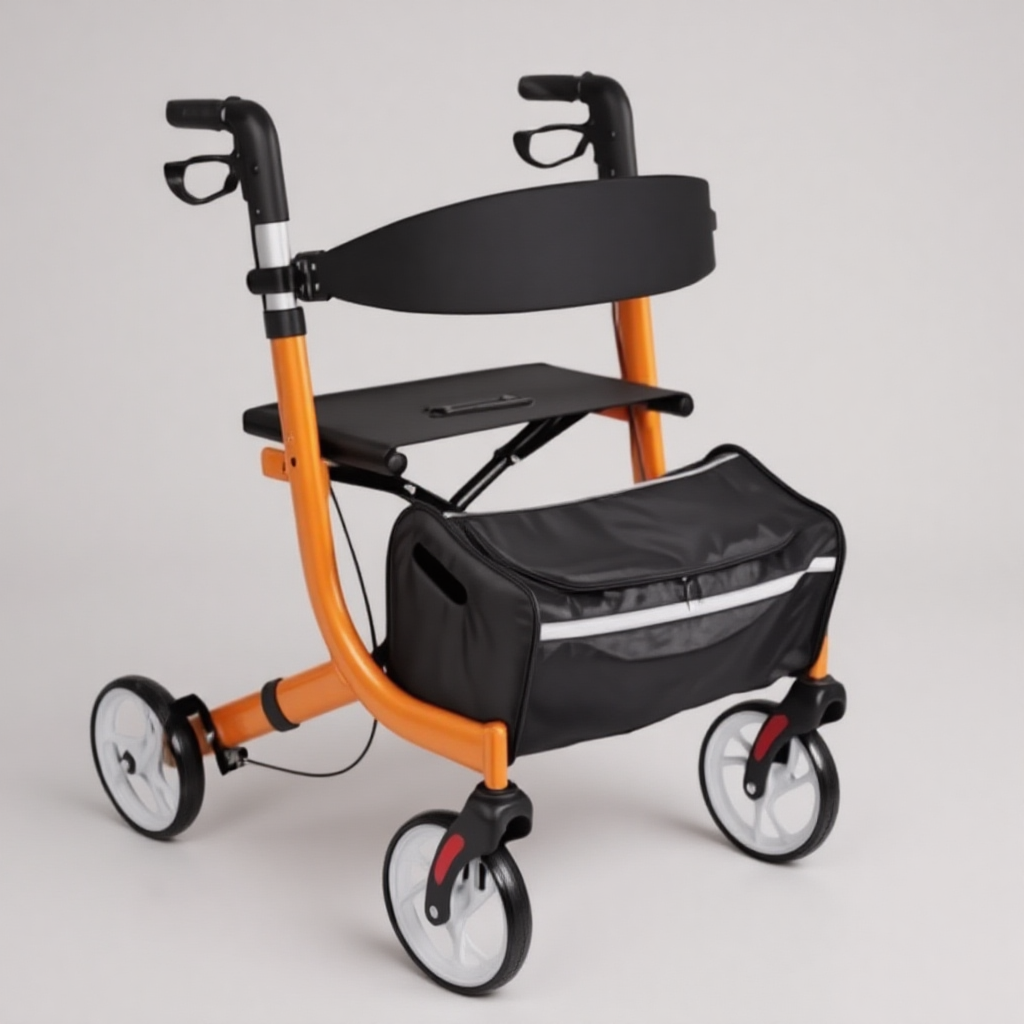
Elevating Outcomes: Patient-Centered Procurement of Walking Aids in Rehabilitation
To truly prioritize patient needs in rehabilitation equipment selection, procurement and clinical teams must collaborate closely. This article explores strategic pathways for patient-centered procurement of walking aids, ensuring that device choices enhance patient mobility, safety, and independence while supporting institutional value.
1. Integrating Patient Voice into Procurement Decisions
Direct patient engagement is at the core of patient-centered procurement of walking aids. Best practices include:
Facilitating focus groups with patients representing various mobility challenges
Collecting qualitative feedback from patients and families post-trial
Building selection criteria around real-world patient experiences, not just clinical specs
Integrating the patient voice delivers better-fit solutions and higher satisfaction.
2. Evidence-Based Device Evaluation
Use rigorous, transparent processes to assess walking aids:
Set up pilot studies comparing multiple device models in clinical use
Benchmark patient outcomes—mobility, comfort, participation—across devices
Incorporate multidisciplinary clinical feedback into procurement scoring
Patient-centered procurement of walking aids should be data-driven, transparent, and multidisciplinary.
3. Safety, Adaptability, and Inclusive Design
Modern procurement must ensure safety and support diverse patient needs:
Specify ISO/FDA-certified devices with proven anti-fall and stability features
Prioritize adjustable, modular, and ergonomic designs for personalized fit
Choose aids offering options for patients with cognitive, vision, or dexterity impairments
Inclusivity is essential for successful patient-centered procurement of walking aids in real-world rehabilitation settings.
4. Value, Maintenance, and Lifecycle Cost Control
Procurement teams should analyze true device value over the full lifecycle:
Require transparent maintenance schedules and warranty support
Track device performance and user satisfaction through digital asset systems
Negotiate service-level agreements for ongoing device support and upgrades
Lifecycle value drives sustainable, cost-effective procurement strategies.
5. Fostering Innovation through Collaborative Partnerships
Leading organizations work with suppliers to drive innovation:
Run co-design workshops and user feedback sessions for continuous product improvement
Partner on pilot programs to test new mobility technologies in real settings
Share outcome data to align supplier roadmaps with patient needs
Collaboration builds trust and delivers better, more patient-focused solutions.
Conclusion
Elevating outcomes through patient-centered procurement of walking aids requires engagement, evidence, inclusivity, and collaboration. By following these strategies, procurement and clinical leaders can transform rehabilitation equipment selection and deliver measurable improvements for patients and their organizations.
For more details, please visit: https://smartelderlycare.com/
Tags: Patient-centered procurement, Rehabilitation device evaluation, Walking aid inclusivity, Lifecycle cost management, Collaborative innovation in healthcare
SEO Keywords: patient-centered procurement of walking aids, prioritizing patient needs in rehabilitation equipment selection, rehabilitation equipment evaluation, inclusive walking aid design, patient voice procurement, multidisciplinary procurement team, lifecycle cost management, device maintenance planning, digital asset tracking healthcare, warranty support walking aids, co-design workshops healthcare, pilot program rehabilitation, user feedback systems, supplier collaboration innovation, device performance analytics, safety features walking aids, clinical benchmarking devices, adjustable mobility aids, modular device selection, cognitive impairment walking aids, anti-fall mobility equipment, asset system procurement, procurement value analysis, contract service levels, user satisfaction tracking, ongoing device support, rehabilitation technology pilot, outcome data sharing, cost-effective procurement, supplier partnership healthcare, procurement transparency, real-world device testing, procurement scoring systems, patient engagement focus groups, rehabilitation organization strategy, patient experience metrics