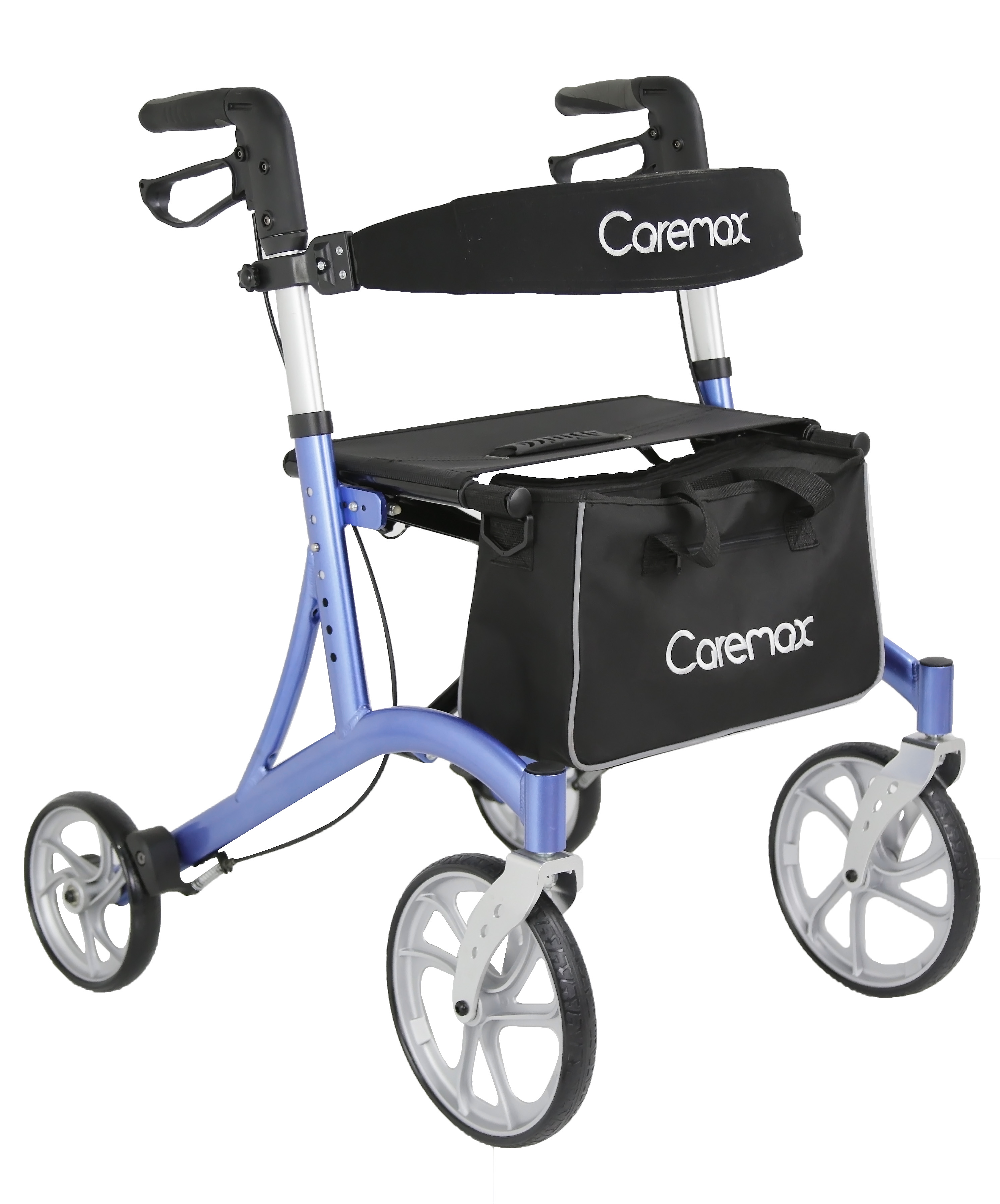
Innovating Rehabilitation: Patient-Centered Procurement of Walking Aids
Rehabilitation equipment selection is rapidly evolving as healthcare organizations focus on patient engagement, outcome measurement, and adaptive device innovation. This guide outlines how patient-centered procurement of walking aids transforms rehabilitation programs and optimizes every investment.
1. Putting Patients at the Heart of Procurement
Best-in-class procurement teams:
Invite patient and caregiver representatives to procurement committees
Design selection criteria that emphasize usability, safety, and comfort
Support feedback loops for ongoing improvement
Patient-centered procurement of walking aids means every purchase is validated by real user needs.
2. Leveraging Technology for Better Outcomes
Smart devices and digital processes support better care:
Adopt e-procurement systems to capture feedback and streamline trials
Integrate digital tracking of device usage and incident reporting
Use data analytics to spot trends in patient satisfaction and safety
Technology empowers continuous learning and proactive improvements in procurement strategy.
3. Customization, Inclusivity, and Adaptive Design
Innovative procurement means adapting to diverse patient profiles:
Select modular walking aids configurable to unique user requirements
Insist on inclusive features—braille, visual markers, ambidextrous controls
Support procurement pilots for new device concepts in clinical practice
Personalization drives higher satisfaction and better rehabilitation outcomes.
4. Risk Management and Supplier Partnerships
Minimize risk and maximize value by:
Choosing ISO/FDA certified suppliers with proven device reliability
Building long-term relationships focused on user feedback and rapid innovation
Negotiating contracts that incentivize ongoing support and upgrades
Partnerships with committed suppliers deliver patient-centered procurement of walking aids that stand the test of time.
5. Outcome Measurement and Continuous Advancement
Real progress comes from transparent measurement:
Define clear metrics—fall reduction, mobility improvement, user confidence
Monitor results via clinical data and patient-reported outcomes
Benchmark against top-performing rehabilitation centers
Continuous improvement ensures procurement decisions are future-proof and outcome-driven.
Conclusion
Innovating rehabilitation with patient-centered procurement of walking aids is not just a process—it is a culture of care, engagement, and accountability. By embedding user needs, data-driven strategy, and long-term partnerships into procurement, organizations set new standards for success in rehabilitation.
For more details, please visit: https://smartelderlycare.com/
Tags: Patient-centered procurement, Walking aid innovation, Adaptive device design, Rehabilitation technology, Outcome measurement healthcare
SEO Keywords: patient-centered procurement of walking aids, prioritizing patient needs in rehabilitation equipment selection, rehabilitation equipment innovation, technology-enabled procurement, adaptive design walking aids, feedback-driven procurement, modular assistive devices, e-procurement healthcare, digital outcome tracking, inclusive walking aid features, user engagement procurement, clinical outcome measurement, ISO certified supplier procurement, long-term supplier partnership, risk management procurement, procurement contract incentives, walking aid safety metrics, patient satisfaction analytics, device trial feedback, personalized rehabilitation equipment, clinical benchmarking rehabilitation, procurement strategy improvement, patient confidence outcome, rehabilitation device pilots, procurement continuous advancement, real user feedback, assistive device tracking, procurement best practice sharing, rehabilitation center benchmarking, procurement accountability, innovation in assistive procurement, adaptive controls walking aids, visual accessibility procurement, braille features mobility aids, ambidextrous device design