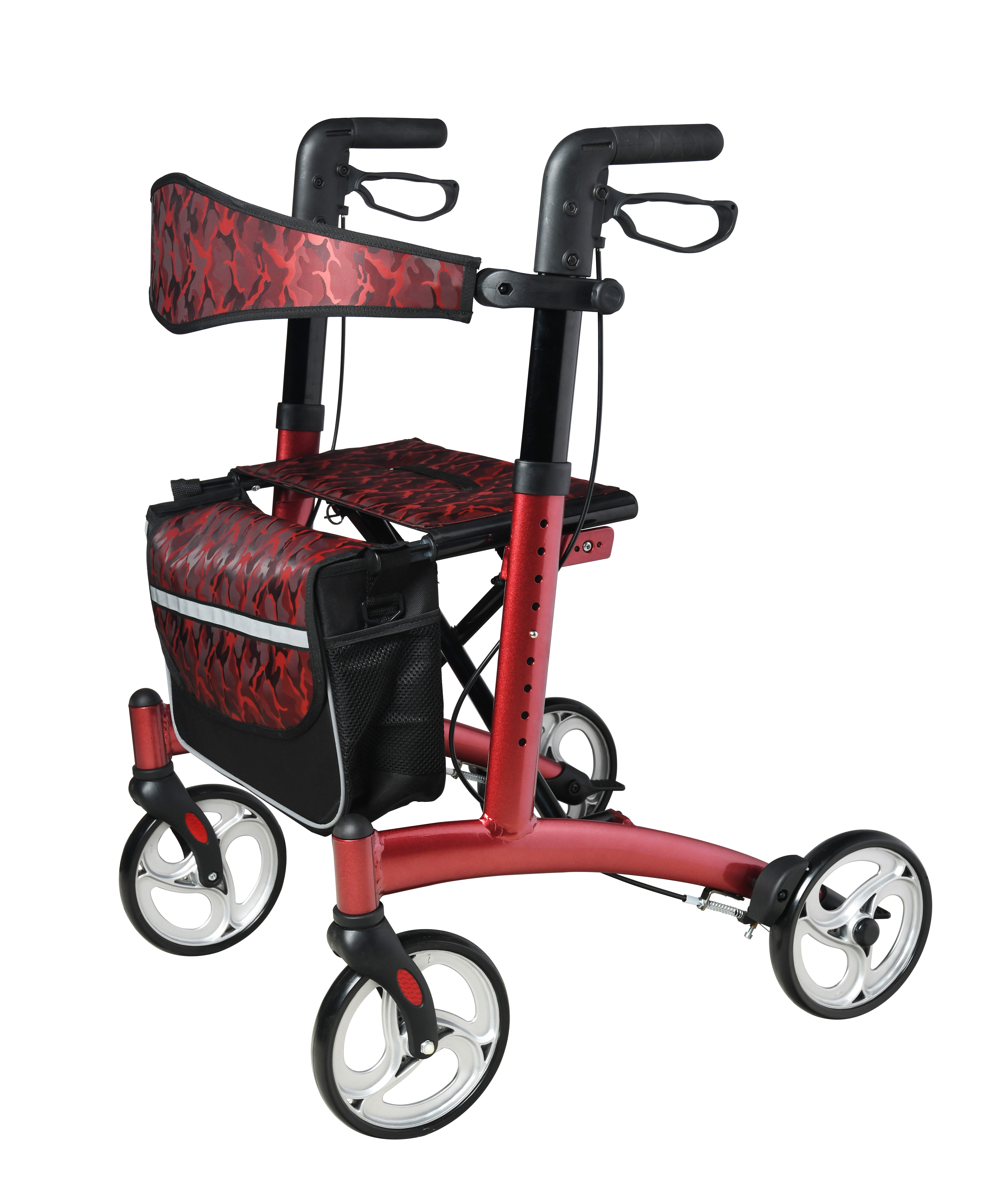
Future-Proofing Rehabilitation: Patient-Centered Procurement of Walking Aids

To meet the rising demands of rehabilitation care, procurement and product leaders must anticipate patient needs and industry trends. This article highlights forward-looking strategies
for patient-centered procurement of walking aids that sustain value, safety, and innovation well into the future.
1. Anticipating Changing Patient Profiles
Tomorrow’s rehabilitation population will be more diverse and technologically engaged. Procurement strategies should:
Monitor emerging mobility trends and shifting patient demographics
Collaborate with clinical teams to predict evolving support needs
Regularly review market innovations to keep the assistive device portfolio up to date
Staying agile ensures that patient-centered procurement of walking aids continues to deliver optimal care.
2. Investing in Smart and Connected Walking Aids
Technology will increasingly shape procurement choices:
Evaluate devices with smart sensors for real-time fall detection and usage analytics
Pilot cloud-based data platforms for outcome tracking and device maintenance
Prioritize integration with digital patient health records
Smart walking aids future-proof rehabilitation programs and empower patients to play an active role in recovery.
3. Embedding Sustainability and Equity in Procurement
Progressive procurement teams go beyond compliance to:
Choose suppliers with eco-friendly and socially responsible practices
Include accessibility and affordability as criteria in all RFPs
Track and report environmental and social impact metrics
Patient-centered procurement of walking aids should benefit both users and the wider community.
4. Risk Management, Compliance, and Continuous Education
Minimize risk and maximize quality by:
Building procurement policies aligned to evolving ISO/FDA standards
Developing robust training and certification programs for staff and users
Monitoring regulatory shifts and responding proactively to new requirements
Vigilance keeps patient safety and institutional compliance at the forefront of equipment selection.
5. Measuring and Communicating Value
Long-term success depends on tracking and sharing real-world results:
Establish clear KPIs for mobility, independence, and patient satisfaction
Regularly publish procurement and outcome reports for stakeholders
Adapt procurement cycles in response to feedback and performance trends
Continuous improvement, data, and communication ensure sustained impact for years to come.
Conclusion
Future-proofing rehabilitation means making patient-centered procurement of walking aids a central pillar of strategy, innovation, and measurement. By anticipating trends, investing in technology, and prioritizing sustainability, procurement teams can guarantee excellent patient outcomes and organizational resilience.
For more details, please visit: https://smartelderlycare.com/
Tags: Patient-centered procurement, Smart walking aids, Rehabilitation sustainability, Assistive technology, Procurement outcome measurement
SEO Keywords: patient-centered procurement of walking aids, prioritizing patient needs in rehabilitation equipment selection, smart walking aids procurement, sustainability in rehabilitation, equity in assistive device procurement, future-proof healthcare procurement, technology-enabled walking aids, real-time outcome tracking, cloud-based device analytics, digital health record integration, accessibility procurement, affordability rehabilitation equipment, supplier sustainability, procurement compliance, ISO certified procurement, staff training and certification, outcome measurement procurement, procurement KPI development, stakeholder communication, continuous procurement improvement, rehabilitation program innovation, environmental impact procurement, social impact assistive devices, regulatory compliance walking aids, proactive risk management procurement, procurement trend analysis, digital patient engagement, adaptive procurement cycles, procurement reporting systems, resilience in healthcare supply chain, rehabilitation device innovation, assistive device future planning, market innovation monitoring